Women and porn—two words that still stir up controversy, assumptions, and outdated stereotypes. For decades, societal stigma and narrow narratives have shaped how we view women who watch, enjoy, or create adult content. Too often, they’re met with judgment, shame, or disbelief, as if female desire needs to be hidden or explained away.
This article aims to challenge those misconceptions and spotlight the truth: women engage with porn for many reasons, and they have every right to explore their pleasure, fantasies, and sexuality—without apology. By breaking down these myths, we open the door to more honest, inclusive, and empowering conversations about desire and autonomy.
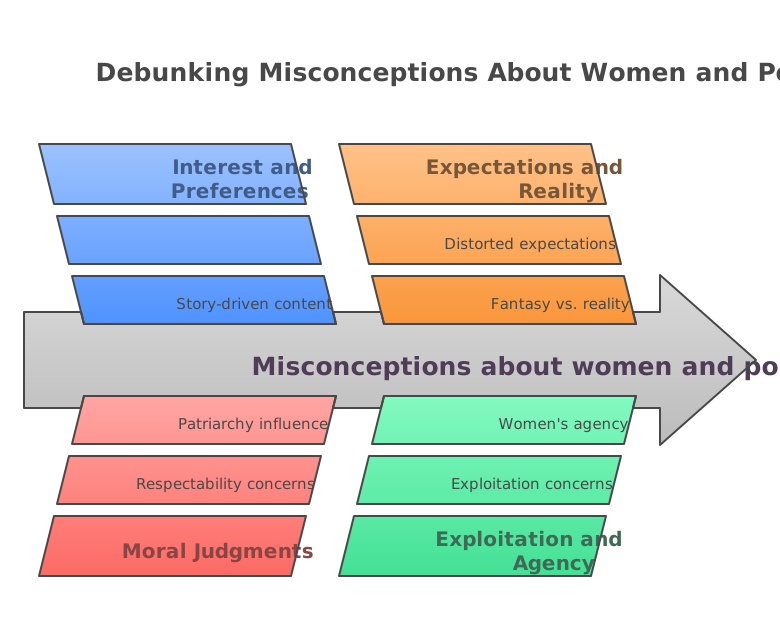
Debunking Misconceptions About Women and Porn
Misconception #1: “Women Don’t Watch Porn”
One of the most persistent myths about women and porn is that they simply aren’t interested. In reality, millions of women watch and enjoy adult content—often regularly and with intention.
While some studies suggest women may lean toward porn that’s story-driven, emotionally intimate, or visually engaging, this isn’t a universal rule. Women’s preferences span every genre, kink, and format imaginable—just like men’s.
The truth is, women watch porn for all kinds of reasons: arousal, fantasy, education, or even stress relief. To assume otherwise not only erases their sexual agency, it reinforces outdated ideas about what female desire should look like.
Misconception #2: “Women Only Like Soft Porn”
Another tired stereotype about women and porn is that women only enjoy soft, romantic, or “vanilla” content. While some women do prefer gentle and emotionally driven porn, many others are turned on by kink, dominance, rough sex, or intense, high-stakes scenarios.
Women may seek out content that explores power dynamics, taboo fantasies, or hardcore themes—not because they’re broken or “not like other girls,” but because they’re human, curious, and complex.
Sexual preference is deeply personal. It’s shaped by experience, imagination, and desire—not gender. Assuming all women like only soft porn flattens their identities and ignores the richness of female sexuality.
Misconception #3: “Watching Porn Makes Women Less Respectable”
When it comes to women and porn, one of the most damaging myths is that consuming adult content somehow makes a woman less respectable or morally flawed. This belief is steeped in patriarchy, built on the idea that female sexuality must be hidden, controlled, or judged.
The truth? Watching porn doesn’t define a woman’s character, values, or relationship potential. Women—just like men—can enjoy porn while maintaining strong boundaries, emotional health, and meaningful connections.
Linking porn consumption to a woman’s worth only reinforces shame and limits her freedom to explore her body, fantasies, and identity on her own terms.
Misconception #4: “Porn Warps Women’s Expectations About Sex”
A common critique around women and porn is that it distorts how women view sex and intimacy. But in reality, most women approach porn with a critical and curious mindset—not blind imitation.
Many women use porn as a form of fantasy, exploration, or self-education—not as a script for real-life encounters. Just as with any media, viewers interpret and filter what they see through their own values and experiences.
When women have access to ethical, inclusive, and realistic porn, it can actually deepen their understanding of boundaries, consent, and personal turn-ons. The key is not to shame the medium, but to empower the viewer.
Misconception #5: “Women Who Make Porn Are Exploited”
The conversation around women and porn often assumes that all female performers are victims of exploitation—but that narrative erases the many women who choose to be part of the adult industry on their own terms.
Yes, exploitation exists and must be addressed. But it’s also true that countless women are reclaiming space as performers, directors, writers, and producers—actively shaping ethical, inclusive, and feminist porn that centers consent, creativity, and authentic pleasure.
For many, porn is a platform for self-expression, financial independence, and sexual empowerment. Agency, not victimhood, defines their work—and that truth deserves to be heard.
Misconception #6: “Women Should Be Turned On by Romance, Not Porn”
One of the most limiting myths about women and porn is the idea that women are only aroused by emotional or romantic content—not explicit sexual imagery. This stereotype reinforces the false belief that female desire must always be soft, sentimental, or slow-burning.
In truth, desire is profoundly personal and multifaceted. Women may be turned on by romance, intense visual stimulation, taboo fantasies, sound, story, or all of the above. Some enjoy explicit porn, others prefer erotica, and many like a mix depending on mood or moment.
There is no “correct” way to experience arousal. Trying to box in women’s sexual responses only narrows the spectrum of pleasure they deserve to explore.
Misconception #7: “If a Woman Watches Porn, Something Must Be Missing in Her Life or Relationship”
When it comes to women and porn, there’s a stubborn assumption that if a woman watches adult content, she must be unfulfilled—sexually, emotionally, or romantically. But that couldn’t be further from the truth.
Women turn to porn for many reasons: to explore personal fantasies, de-stress, boost arousal, or simply enjoy solo pleasure. It doesn’t automatically signal dissatisfaction in a relationship—or in life.
Porn can be a healthy, empowering part of sexual expression. Enjoying it doesn’t mean anything is broken; it just means a woman is curious, human, and owning her desires.
Why These Misconceptions Matter
The myths surrounding women and porn aren’t just outdated—they’re harmful. These misconceptions reinforce sexual shame, restrict self-expression, and make it harder for women to talk openly about desire, curiosity, or pleasure.
By challenging these false beliefs, we normalize the truth: women are sexual beings with autonomy, imagination, and a wide range of desires. Debunking stigma helps create space for honest conversations, healthy exploration, and greater sexual freedom.
And that freedom includes the right to watch, enjoy, or create porn—without judgment.
Conclusion: Reclaiming the Narrative Around Women and Porn
Women and porn are not mutually exclusive—and never have been. Whether they’re watching it for pleasure, creating it as art or work, or critically engaging with it as media, women deserve respect, choice, and representation in the adult space.
Breaking down these myths isn’t just about setting the record straight. It’s about creating a culture where sexual autonomy is honored, curiosity is welcomed, and shame is left behind.
Let’s move forward with understanding, openness, and a celebration of the many ways women experience and express desire.