Embracing Self-Pleasure as a Path to Self-Discovery
Masturbation is more than just a solo sexual act—it’s a natural, healthy expression of our human sexuality. Far from being taboo or shameful, self-pleasure is one of the most intimate ways we can connect with our bodies, understand our desires, and foster self-love.
In this article, we explore how masturbation can be a powerful tool for self-discovery. From boosting confidence to enhancing sexual well-being, understanding our own pleasure plays a vital role in shaping our emotional and physical health. Whether you’re just beginning to explore your sexuality or deepening your relationship with yourself, this journey starts with embracing your own touch.
What Is Masturbation?
Masturbation is the act of stimulating your own body—most commonly the genitals—for sexual pleasure, release, or exploration. It’s a completely natural and widespread experience, embraced by people of all genders, ages, and backgrounds.
Often practiced in private, masturbation is a safe and healthy way to connect with your own body. Whether done with your hands, a sex toy, or simply through fantasy, it’s a deeply personal expression of desire and self-love. There’s no “right” way to do it—just the way that feels best to you.
Understanding and accepting self-pleasure not only normalizes the experience but also empowers individuals to feel more in tune with their sexuality.
The Role of Masturbation in Self-Discovery
Masturbation isn’t just about pleasure—it’s also a powerful journey inward. Through self-touch, individuals can learn what truly feels good, what doesn’t, and how their bodies respond to different kinds of stimulation. This self-guided exploration helps uncover arousal patterns, identify sensitive erogenous zones, and clarify personal preferences in a way that no one else can.
By regularly engaging in self-pleasure, you begin to build a stronger, more intuitive relationship with your body. This deepened awareness enhances not only solo experiences but also partnered intimacy, allowing you to communicate your needs with more clarity and confidence. Ultimately, masturbation becomes a tool of empowerment—supporting self-acceptance and enriching your sexual identity.
Benefits of Masturbation: More Than Just Pleasure
Masturbation offers a wide range of physical, emotional, and psychological benefits that go far beyond simple pleasure. As a natural stress-reliever, it prompts the release of endorphins—those feel-good hormones that help reduce anxiety and lift your mood. Many people also report better sleep and improved focus after orgasm, thanks to the calming effects of self-pleasure.
For individuals who menstruate, masturbation can even ease menstrual cramps and discomfort by relaxing pelvic muscles and boosting blood flow. On a deeper level, regular solo play can enhance self-esteem, promote sexual confidence, and improve body awareness.
It’s also been shown to positively impact sexual function, increasing arousal response and helping individuals feel more comfortable with intimacy—whether solo or with a partner. Embracing masturbation as part of your wellness routine is a powerful step toward holistic sexual health.
Common Techniques and Tools for Self-Pleasure
There’s no one-size-fits-all approach to masturbation—what matters most is what feels right for you. Some people prefer using just their hands or fingers, while others explore with sex toys like vibrators, dildos, or strokers for added sensation and variety. Lubricants can enhance comfort and pleasure, especially when experimenting with different techniques or intensities.
From slow and sensual to fast and intense, everyone’s rhythm and pressure preferences are different. Some may enjoy using their imagination, while others find arousal through erotica, audio porn, or visual stimuli. The beauty of solo play lies in its flexibility—it can be a gentle moment of self-care or an uninhibited expression of raw desire.
Ultimately, masturbation is a deeply personal experience. It’s your space to explore, play, and discover what turns you on—without judgment or performance pressure.
Masturbation for All Genders: Exploring Pleasure Without Limits
Masturbation is a universal experience—there’s no single way to experience pleasure, and it’s important to celebrate the diverse ways different bodies respond. For those with vulvas, stimulation might center on the clitoris, vagina, G-spot, nipples, or a combination of these erogenous zones. Whether using fingers, toys, or a rhythmic motion, each experience is as unique as the individual.
For those with penises, pleasure often focuses on the shaft, head, and perineum. Some may also explore prostate stimulation, which can unlock new depths of sensation and orgasm.
Non-binary and transgender individuals may find joy in exploring what feels affirming and pleasurable based on their bodies and identities. There is no “correct” method—just what feels empowering and aligned with your sense of self.
Masturbation offers a powerful opportunity for self-expression, body positivity, and the celebration of diverse sexual experiences across the gender spectrum.
Masturbation and Body Positivity: Reclaiming Pleasure and Self-Worth
Masturbation can be a powerful act of body positivity. When you take time to explore your body through touch, you begin to appreciate it not just for how it looks, but for how it feels and functions. This personal connection nurtures acceptance, self-respect, and a deeper sense of bodily autonomy.
By embracing self-pleasure, you reclaim your sexual agency—shifting away from societal shame and outdated taboos. Masturbation becomes more than a physical act; it’s a declaration that your body is worthy of love, pleasure, and care, exactly as it is.
In a world where body image pressures are intense, self-pleasure reminds us that beauty and desirability are self-defined. It’s a radical, affirming practice that supports healing, confidence, and the celebration of every body, in all its forms.
Myths and Misconceptions About Masturbation
Despite being a common and healthy part of human sexuality, masturbation is still surrounded by outdated myths that can cause guilt, confusion, or shame. Let’s break down some of the most persistent misconceptions:
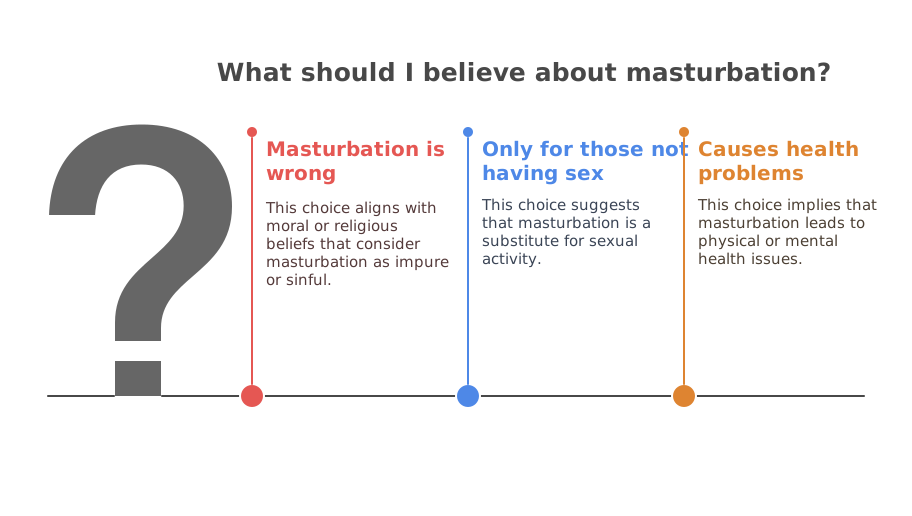
What should I believe about masturbation?
“Masturbation is wrong or dirty.”
Fact: Masturbation is completely normal, safe, and healthy. It’s a natural way to explore your body, relieve stress, and connect with your sexuality—there’s nothing shameful about it.
“Only people who aren’t having sex masturbate.”
Fact: Many people in healthy, active sexual relationships also masturbate. Solo play complements—not replaces—partnered intimacy, and can even enhance sexual satisfaction and communication.
“Masturbation causes health problems.”
Fact: There’s no scientific evidence linking masturbation to any physical or mental health problems. In fact, it often brings benefits like better mood, reduced stress, and improved sleep.
Dispelling these myths is essential for fostering a culture of open, shame-free conversations around sexuality and self-care.
Masturbation and Relationships: Enhancing Intimacy, Not Replacing It
Masturbation isn’t just a solo activity—it can play a meaningful role in healthy, satisfying relationships. When partners feel comfortable discussing their individual desires and turn-ons, it opens the door to deeper intimacy and honest sexual communication.
Solo pleasure can coexist beautifully with partnered sex. Some couples incorporate mutual masturbation into their intimacy, while others see it as a way to enjoy personal satisfaction on their own terms. Rather than competing with partner sex, masturbation can complement it by helping individuals understand their bodies and communicate preferences more clearly.
It’s also a supportive tool for navigating common challenges like mismatched libidos or performance anxiety. By taking the pressure off and focusing on pleasure, self-pleasure helps individuals stay connected to their sexuality—while strengthening connection within the relationship.
When to Reflect or Seek Balance in Masturbation
While masturbation is a healthy and natural practice, like anything, it’s important to maintain balance. Self-pleasure only becomes a concern when it starts interfering with your daily responsibilities, emotional well-being, or relationships. If it begins to feel compulsive or isolating, it may be time to pause and reflect.
Healthy masturbation is rooted in self-awareness. It’s about tuning into your body and desires, not escaping from life. When approached mindfully, it becomes a source of comfort, confidence, and connection. If you ever feel uncertain about your habits or emotional state, speaking with a therapist or sex-positive health professional can help guide you toward a more fulfilling relationship with your sexuality.
Ultimately, balance and intentionality are key—masturbation should support your wellness, not overshadow it.
Conclusion: Embracing Self-Pleasure as a Path to Empowerment
Masturbation is far more than a moment of physical release—it’s a powerful tool for self-discovery, emotional wellness, and personal empowerment. By tuning into your desires, learning what brings you pleasure, and exploring your body without shame, you create a foundation for healthier relationships with yourself and others.
Whether you’re just beginning your journey or continuing to deepen it, know that self-pleasure is a valid, valuable part of your sexual identity. Embrace it with curiosity, compassion, and confidence. Your body is worthy of love, pleasure, and joyful exploration—on your terms.