Your subscription could not be saved. Please try again.
Your subscription has been successful.
Orgasm: The Science, Benefits & Pleasure of Climax
An orgasm—often described as the peak of sexual pleasure—is far more than just a fleeting moment of ecstasy. It’s a complex physiological and psychological event that plays a crucial role in human intimacy, reproduction, and well-being. Yet, despite being one of the most sought-after experiences in sexual encounters, orgasms remain shrouded in mystery, misinformation, and cultural taboo.
In this article, we delve into the fascinating world of orgasms—unpacking the science behind them, uncovering their physical and emotional benefits, and exploring the various ways people experience climax. Whether you’re looking to understand your own body better, enhance your partner’s pleasure, or satisfy your curiosity, this guide offers a deeply informative and empowering look at one of the most natural yet extraordinary parts of human sexuality.
An orgasm may last only a few seconds, but behind the scenes, it’s a powerful chain reaction involving the brain, nervous system, hormones, and sexual organs. Understanding the science of orgasm not only demystifies the experience—it can also lead to better sexual satisfaction and deeper connection.
How the Brain and Nervous System Trigger an Orgasm
Every orgasm starts in the brain. When arousal builds through physical stimulation, erotic thoughts, or emotional intimacy, the brain activates regions like the hypothalamus and limbic system. These areas communicate with the spinal cord and pelvic nerves, sending signals to the genitals. As stimulation intensifies, the autonomic nervous system kicks in, leading to rhythmic muscle contractions, increased heart rate, and heightened sensitivity—all culminating in the explosive release we call climax.
The Role of Hormones: Oxytocin, Dopamine, and Endorphins
At the height of orgasm, a cocktail of “feel-good” chemicals floods the body:
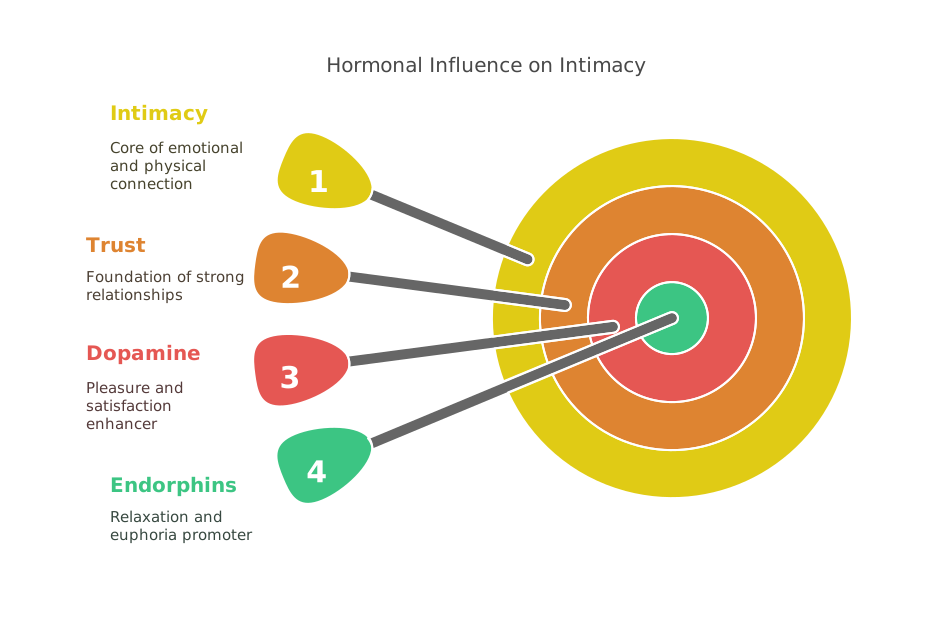
Oxytocin: Known as the “love hormone,” it deepens emotional bonding and trust between partners.
Dopamine: The brain’s reward chemical, dopamine, creates intense feelings of pleasure and satisfaction.
Endorphins: Natural painkillers, these hormones promote relaxation and euphoria post-orgasm.
Hormonal Influence on Intimacy
This hormonal surge explains why orgasms often leave us feeling blissful, connected, and sometimes even sleepy.
Orgasm Differences Between Men and Women
While orgasms share similar biological mechanisms, the experience can vary greatly between genders. Most men reach climax through direct stimulation of the penis and usually experience a refractory period afterward, during which they cannot immediately orgasm again. Women, on the other hand, can experience multiple orgasms in a short time, and their climax may involve a more complex interplay of physical and emotional stimulation.
Additionally, women’s orgasms are less predictable and more varied in intensity, sometimes even occurring without direct genital contact, highlighting the immense power of the brain in sexual pleasure.
Types of Orgasms
Orgasms are not one-size-fits-all. In fact, they can vary widely depending on the area of stimulation, individual anatomy, arousal level, and psychological factors. Understanding the different types of orgasms can help you expand your sexual awareness and discover new paths to pleasure.
Clitoral vs. Vaginal Orgasms: Exploring Unique Stimulation Points
The clitoral orgasm is the most commonly experienced and reliably achieved type among people with vulvas. The clitoris contains over 8,000 nerve endings, making it the most sensitive erogenous zone in the human body. Stimulation—whether direct, indirect, or through vibration—can lead to intense, quick-release climaxes.
Vaginal orgasms, on the other hand, often result from deeper penetration and stimulation of internal zones such as the G-spot. These orgasms tend to be slower to build but can feel fuller, more emotional, or spread across the body. Some people experience a blend of both, known as a blended orgasm, which can be particularly powerful.
Multiple Orgasms: The Art of Consecutive Climaxes
Some individuals—especially women—are capable of having multiple orgasms without a refractory period. This means they can experience one climax, continue stimulation, and have another (or several) in succession. Key factors include arousal level, physical sensitivity, and mental relaxation. Many people can explore this multi-peak pleasure with practice, communication, and the right stimulation.
Male vs. Female Orgasms: Duration, Intensity, and Recovery
While male orgasms often lead to ejaculation and a refractory period—a time during which it’s biologically complex to achieve another orgasm—female bodies may not experience this downtime, allowing for back-to-back climaxes.
Male orgasms tend to last around 5–10 seconds and are typically centered around ejaculation.
Female orgasms can last longer—often between 13–51 seconds—and may be accompanied by whole-body sensations, emotional release, or even vocal expression.
It’s important to note that both male and female experiences can vary widely based on arousal, mental state, and physical health.
Anal and Prostate Orgasms: Unlocking Hidden Pleasure Zones
For those open to exploring, anal and prostate orgasms offer unique sensations and deep, satisfying climaxes. The prostate, often called the “male G-spot,” is located a few inches inside the rectum and can produce powerful orgasms when stimulated correctly.
Anal orgasms—regardless of gender—can be incredibly intense due to the concentration of nerve endings around the anus and pelvic floor. With patience, proper lubrication, and communication, this often-overlooked zone can unlock new dimensions of pleasure.
Health Benefits of Orgasms
While orgasms are often associated with pleasure and intimacy, they also offer a surprising array of health benefits that extend far beyond the bedroom. From reducing stress to improving heart health, climaxing regularly can contribute to a more balanced and fulfilling life.
One of the most immediate benefits of an orgasm is a dramatic drop in cortisol levels, the hormone responsible for stress. As the body releases oxytocin and endorphins during climax, feelings of anxiety and tension melt away. This hormonal shift promotes a sense of calm, connection, and mental clarity, making orgasms a powerful, natural stress-relief tool.
Better Sleep: The Perfect Nightcap
Ever felt drowsy after sex? That post-orgasm sleepiness isn’t a coincidence. Orgasms trigger the release of prolactin and serotonin, hormones linked to relaxation and restful sleep. For many, climax acts as a natural sedative, helping to fall asleep faster and achieve deeper, more restorative rest, especially when experienced before bedtime.
Pain Reduction: Nature’s Own Analgesic
Orgasms can act as an effective remedy for various types of pain. During climax, the body floods with endorphins, which are natural painkillers that can alleviate headaches, muscle soreness, and even menstrual cramps. Some studies have shown that orgasm-induced endorphin release can rival the effects of over-the-counter pain relief, offering a pleasurable alternative for managing discomfort.
Heart Health: Love That’s Good for Your Heart
Regular sexual activity and orgasms can boost cardiovascular health. The physical exertion involved in sex raises the heart rate and improves blood circulation, which may help lower blood pressure and reduce the risk of heart disease over time. Some research even suggests that people who orgasm more frequently may enjoy a longer life expectancy and a lower risk of stroke.
Orgasm and Mental Well-Being
The impact of orgasms goes far beyond physical pleasure—they also play a vital role in mental and emotional health. From lifting your mood to enhancing confidence, orgasms can be a natural boost to your psychological well-being.
Boosting Mood and Easing Anxiety & Depression
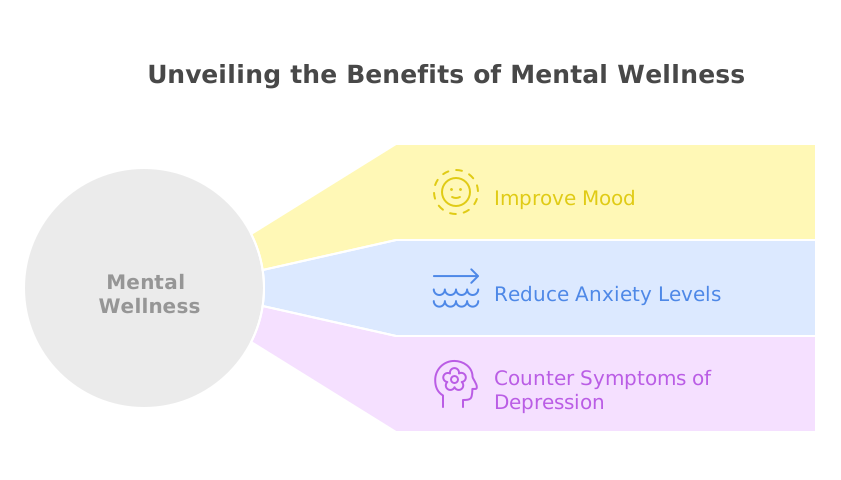
Orgasms trigger a powerful neurochemical response, flooding the brain with feel-good hormones like dopamine, serotonin, and oxytocin. These chemicals are known to:
Improve mood
Reduce anxiety levels
Counter symptoms of depression
Unveiling the Benefits of Mental Wellness
For many, sexual release can provide a moment of emotional clarity or an escape from daily stress. While orgasms aren’t a replacement for professional mental health care, they can complement broader wellness strategies by promoting balance and relaxation.
Sexual Pleasure, Self-Esteem, and Confidence
Experiencing sexual pleasure—whether solo or with a partner—can enhance body image, self-acceptance, and confidence. Feeling desired or capable of giving and receiving pleasure reinforces positive self-worth and deepens one’s sense of agency over their body.
Regular, fulfilling orgasmic experiences have been linked to higher sexual self-esteem, which often radiates into other areas of life, including relationships, communication, and even career confidence.
Intimacy, Connection, and the Emotional Layer of Orgasm
While orgasms can be intensely personal, they are also a tool for emotional bonding. Shared climax with a partner releases oxytocin, often called the “cuddle hormone,” which fosters closeness, trust, and attachment. This is especially important in romantic relationships, where emotional intimacy often deepens through physical pleasure.
In essence, orgasms are not just about individual satisfaction—they’re also about emotional connection, vulnerability, and shared joy, making them a cornerstone of both physical and mental intimacy.
Common Challenges in Achieving Orgasm
Despite being a natural and pleasurable part of human sexuality, orgasm doesn’t always come easily for everyone. Many people experience difficulties reaching climax, and understanding these challenges is the first step toward overcoming them with confidence and care.
Performance Anxiety: The Psychological Roadblock
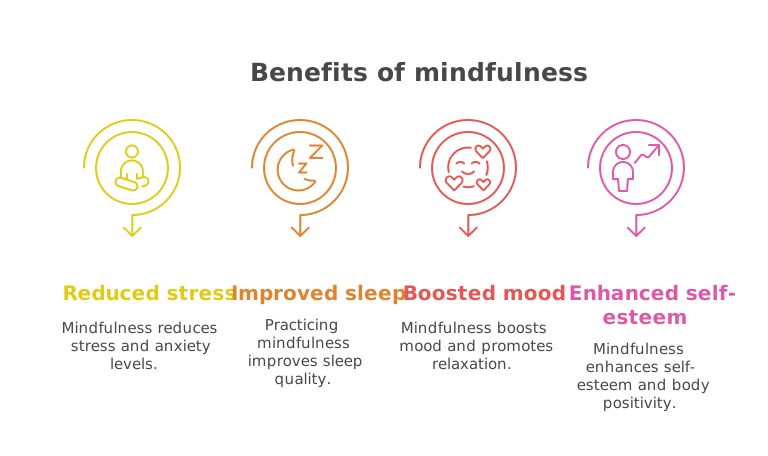
One of the most common barriers to orgasm is performance anxiety—the fear of not being able to please a partner or “perform” sexually. This mental pressure can create a loop of self-doubt, reducing arousal and blocking the brain’s ability to relax into pleasure. The key to breaking this cycle is open communication, mindfulness, and self-compassion—allowing space for imperfection and genuine connection.
The Orgasm Gap: Why Women Often Miss Out
Studies consistently show a significant orgasm gap between men and women, particularly in heterosexual encounters. While most men reach climax regularly during sex, many women report less frequent orgasms—often due to a lack of clitoral stimulation, foreplay, or prioritization of female pleasure.
Closing the orgasm gap means shifting the focus from penetration alone to mutual exploration, communication, and understanding each partner’s unique needs. Empowering women to speak up about their desires—and educating men to listen and respond—can transform the sexual experience for both.
Medical Conditions, Medications & Hormonal Imbalances
Sometimes, the inability to orgasm has physiological roots. Hormonal changes (e.g., menopause, low testosterone), certain medications (like antidepressants), and chronic stress or fatigue can all interfere with sexual function. Conditions such as diabetes, pelvic floor disorders, or neurological issues can also affect sensitivity and response.
In these cases, it’s essential to consult a healthcare provider to identify underlying causes and explore treatment options. Solutions might include hormone therapy, medication adjustments, physical therapy, or sex therapy to help restore orgasmic potential and confidence.
How to Enhance Orgasmic Pleasure
While orgasms can happen spontaneously, enhancing their intensity, frequency, and emotional satisfaction often comes down to being more intentional with your approach to pleasure. Whether solo or with a partner, there are countless ways to elevate your orgasmic experience.
Foreplay & Arousal: The Power of Slow Build-Up
Rushing into penetration can short-circuit pleasure. Foreplay is not optional—it’s essential. Taking time to engage in kissing, caressing, dirty talk, or sensual touch helps the body gradually build arousal. This process increases blood flow to erogenous zones, enhances natural lubrication, and makes climax more likely and intense. The longer the build-up, the more powerful the release.
Exploring Different Techniques: Stimulate Smarter, Not Harder
Pleasure is deeply personal, and experimentation is key. Some techniques worth exploring include:
Clitoral stimulation: Often the most reliable path to orgasm for people with vulvas.
Deep penetration: Can stimulate internal pleasure zones like the G-spot or A-spot.
Oral sex: Allows for precise, sustained stimulation that can be tailored to your partner’s unique rhythm.
Don’t be afraid to mix techniques, switch up positions, or explore erotic fantasies—it’s all about tuning into what feels good.
Toys & Accessories: Enhancing Pleasure with Innovation
Sex toys can add variety, intensity, and new sensations to your sexual routine. Popular options include:
Vibrators: Excellent for clitoral, nipple, or even anal stimulation.
Dildos: Great for solo play or couple exploration.
Couples’ toys: Like wearable vibrators or penis rings, can enhance shared experiences.
Introducing toys can also break routine and deepen communication between partners—making pleasure a playful, open conversation.
Breathing & Muscle Control: Mind-Body Techniques for Stronger Climaxes
Mindful breathing and pelvic floor engagement can significantly heighten orgasmic sensations. Practicing Kegel exercises helps strengthen the muscles used during climax, making orgasms more intense and longer-lasting.
Slow, deep breathing helps regulate arousal, delays ejaculation or climax, and enhances control over the build-up. In tantric practices, these techniques are used to channel energy throughout the body, creating full-body orgasms that go beyond the genitals.
Orgasms in Relationships: Communication & Connection
Orgasms are not just physical—they’re deeply intertwined with emotional intimacy, trust, and communication. In relationships, understanding each other’s sexual needs and desires can transform sex from a routine act into a shared journey of pleasure and connection.
Talking Openly About Sexual Preferences & Desires
Many couples shy away from discussing sex, fearing embarrassment or rejection. But open communication is the foundation of a satisfying sex life. Talking about what turns you on, what feels good, and even what doesn’t work helps eliminate guesswork and fosters deeper intimacy.
Try setting aside time—outside of the bedroom—to talk about your fantasies, preferred techniques, or curiosities. Whether through casual conversations or more structured check-ins, these discussions can lead to more satisfying and mutually orgasmic experiences.
The Role of Emotional Intimacy in Sexual Satisfaction
Emotional closeness fuels physical pleasure. When partners feel emotionally safe, seen, and valued, their sexual connection tends to deepen. Orgasms become more than just a release—they become expressions of love, vulnerability, and trust.
Research consistently shows that couples who prioritize emotional connection report more frequent and intense orgasms, especially among women. It’s not just about technique—it’s about being mentally and emotionally in sync.
Exploring New Paths to Pleasure—Together
Keeping the spark alive means being open to exploration. Whether you’re trying new positions, experimenting with toys, or diving into mutual fantasies, sexual discovery can strengthen your bond.
Here are a few simple ways to reignite orgasmic excitement together:
Set a “no-pressure” intimacy night where climax isn’t the goal—just touch and connection.
Create a shared pleasure playlist or erotic bucket list.
Read or watch erotic material together to inspire new ideas.
When both partners feel empowered and supported, pleasure becomes a shared adventure—where orgasms are not just about release, but about deepening your emotional and physical bond.
Masturbation is a natural, healthy, and empowering way to connect with your body. Far from being a taboo act, self-pleasure is a cornerstone of sexual well-being, helping individuals explore what brings them pleasure and boosting confidence in both solo and partnered encounters.
The Benefits of Self-Exploration
Through masturbation, you learn to understand your body’s unique responses—what feels good, where your sensitive zones are, and how you prefer to be touched. This self-awareness empowers you to communicate your desires more clearly with a partner and to take control of your own sexual satisfaction.
Regular solo pleasure has also been linked to benefits like:
In other words, masturbation isn’t just about climax—it’s a form of self-care.
How Solo Orgasms Improve Partnered Sex
Many people find that learning how to orgasm alone makes it easier to climax with a partner. When you know your own pleasure map, you’re better equipped to guide your partner—and that clarity often leads to more satisfying sexual encounters for both.
Masturbation can also take the pressure off of partnered sex. When you’re already feeling sexually fulfilled and confident in your own body, you’re more likely to approach intimacy with openness, curiosity, and less performance anxiety.
Despite growing sexual literacy, several myths about masturbation still persist. Let’s debunk a few:
Myth: “Masturbation is only for people who are single.” Truth: People in happy, healthy relationships often masturbate—it’s a separate, personal form of pleasure.
Myth: “Masturbating too much is bad for you.” Truth: There’s no universal “too much” unless it’s interfering with daily life or relationships. Most people benefit from regular solo play.
Myth: “Only men masturbate frequently.” Truth: People of all genders masturbate, and female masturbation is just as healthy and common.
Embracing masturbation as a normal, enjoyable part of your sexuality helps create a more positive, shame-free relationship with pleasure—one that extends into all aspects of your sexual life.
Debunking Myths About Orgasms
Despite increased openness about sexuality, misconceptions about orgasms still shape how people view their pleasure and performance. Let’s clear the air by addressing some of the most common—and misleading—myths that continue to circulate.
“Women Can’t Orgasm from Penetration Alone”
While it’s true that many women don’t orgasm solely from vaginal penetration, this doesn’t mean it’s impossible. The key lies in understanding individual anatomy and stimulation needs. The clitoris—responsible for most female orgasms—extends internally as well, and for some, certain positions or G-spot stimulation during penetration can trigger climax.
However, most women require direct or indirect clitoral stimulation to orgasm. That doesn’t make penetrative sex “less than”—it just highlights the importance of variety and personalized pleasure.
“Men Always Orgasm During Sex”
Contrary to popular belief, men don’t always climax during sex. Stress, anxiety, medication, fatigue, and even emotional disconnect can all affect arousal and orgasm. Men may also experience delayed ejaculation or performance pressure, especially in new or emotionally charged situations.
Acknowledging that men, too, can face orgasmic challenges helps foster empathy and open communication, rather than shame or unrealistic expectations.
“Bigger Orgasms Mean Better Sex”
The idea that intense, explosive orgasms are the only measure of great sex is a harmful myth. In reality, sexual satisfaction is about connection, comfort, exploration, and trust—not just intensity. Some people have smaller, gentler orgasms that are just as meaningful and pleasurable.
In fact, focusing too much on the “end goal” of climax can lead to pressure and disappointment. The most fulfilling sexual experiences often come from being present, attuned, and engaged, regardless of the size or duration of the orgasm.
When to Seek Medical Advice
While fluctuations in sexual desire and orgasmic response are normal, persistent challenges can signal an underlying issue worth exploring. Recognizing when to seek help is essential for protecting your sexual health, emotional well-being, and overall quality of life.
Recognizing Sexual Dysfunction: Anorgasmia and More
Anorgasmia, or the persistent difficulty or inability to reach orgasm, affects people of all genders and can have both physical and psychological roots. If you’re consistently unable to climax despite feeling aroused or receiving adequate stimulation, it may be time to consult a healthcare provider.
Other signs of sexual dysfunction include:
Inability to orgasm in any context (solo or partnered)
Sudden changes in sexual response
Lack of sexual satisfaction despite stimulation
These symptoms can often be managed or reversed with medical, psychological, or therapeutic intervention.
Painful Orgasms or Low Libido: What’s Normal vs. Concerning
Experiencing pain during or after orgasm is not normal and should never be ignored. Conditions like pelvic floor disorders, infections, hormonal imbalances, or endometriosis could be to blame. Similarly, a significantly decreased libido—especially if it impacts your relationship or personal satisfaction—may be linked to stress, medications, or underlying health issues.
In these cases, speaking with a doctor can lead to effective treatments, including hormone therapy, pelvic therapy, medication adjustments, or counseling.
Why Talking to Your Doctor About Sex Matters
Many people feel embarrassed bringing up sexual issues with their healthcare provider—but your sexual health is just as important as any other aspect of wellness. Doctors are trained to handle these topics with professionalism and confidentiality.
Open conversations can lead to early diagnosis, improved treatment outcomes, and a better understanding of your body and mind. You deserve a satisfying, healthy sex life—and that often starts with asking the right questions in a safe, supportive environment.
Conclusion
Orgasms are more than just a moment of pleasure—they are a complex, multifaceted experience shaped by biology, emotion, connection, and self-awareness. From the powerful interplay of hormones in the brain to the deep emotional intimacy shared between partners, climaxing touches nearly every aspect of human health and happiness.
We’ve explored the science behind orgasm, its many physical and mental health benefits, and the diverse ways people can experience and enhance pleasure. We’ve also challenged common myths, highlighted the importance of communication, and emphasized when to seek medical advice without shame or stigma.
Most importantly, this journey through orgasmic understanding is an invitation: ✨ Embrace your sexual wellness. 🧠 Stay curious about your own pleasure. 🗣️ Communicate openly and honestly—with yourself and with your partner.
Whether you’re discovering new pathways to climax or deepening your existing experiences, remember: your pleasure is valid, powerful, and worth exploring.