Your subscription could not be saved. Please try again.
Your subscription has been successful.
Relationships and Sexuality Education: Why Honest, Empowering Guidance Matters
In a world saturated with misinformation, taboos, and fear-based narratives, relationships and sexuality education has never been more critical. It’s not just about biology or preventing pregnancy—it’s about equipping people with the emotional intelligence, communication skills, and confidence to form respectful, consensual, and fulfilling connections.
Whether you’re a parent, educator, teen, or curious adult, this guide offers an empowering, human-centered breakdown of what real, powerful relationships and sexuality education should look like—and why it changes lives.
Understanding What Relationships and Sexuality Education Actually Is
It’s More Than Sex Ed
When people hear “sex education,” they often think of awkward diagrams and banana-condom demos. But relationships and sexuality education goes far beyond that. It includes:
Healthy relationship dynamics
Consent and boundaries
Gender identity and sexual orientation
Body image and self-esteem
Communication and emotional literacy
This comprehensive approach doesn’t just teach about bodies—it teaches about being human with other humans.
Relationships and Sexuality Education
Why Relationships and Sexuality Education Is Life-Changing
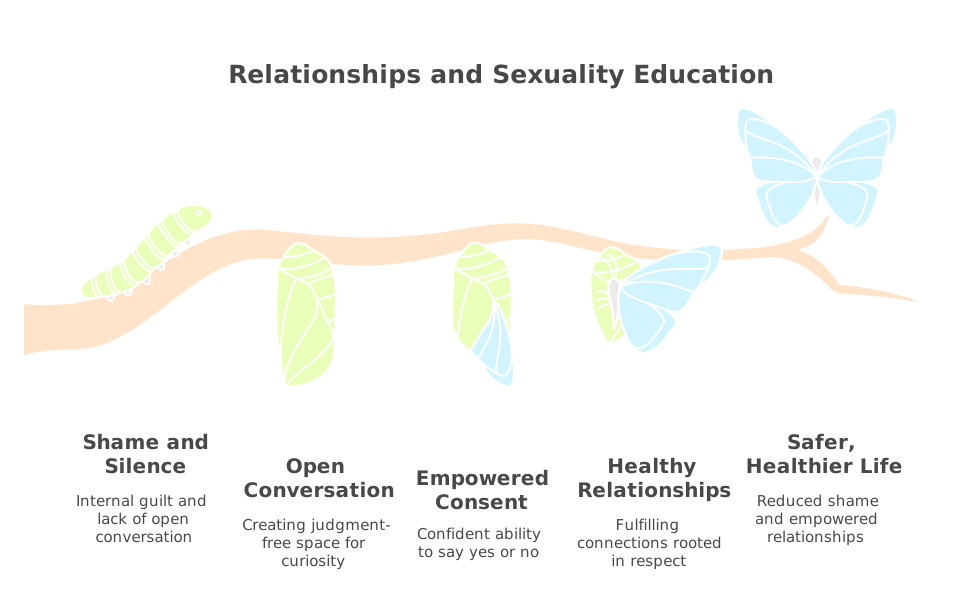
Shame thrives in silence. By creating space for open, judgment-free conversations, this type of education normalizes curiosity and reduces the internal guilt many feel about sex, desire, or their identity.
2. It Empowers Consent and Autonomy
One of the most powerful tools a person can have is the ability to say “yes” or “no” from a place of confidence. Teaching consent as a two-way, enthusiastic, ongoing process helps people protect their boundaries—and respect others’.
3. It Creates Safer, Healthier Relationships
By learning how to navigate feelings, communicate effectively, and recognize toxic behavior, individuals are better equipped to form fulfilling connections that aren’t rooted in fear or power imbalance.
Key Elements of Quality Relationships and Sexuality Education
Age-Appropriate, Not Age-Delayed
Contrary to popular fear, teaching kids about consent, boundaries, and respect doesn’t sexualize them—it protects them. Age-appropriate education means giving children the tools they need at each developmental stage to understand their bodies and relationships.
Inclusive and Affirming
Education that excludes LGBTQ+ identities isn’t just outdated—it’s harmful. A truly comprehensive curriculum recognizes diverse gender identities, sexual orientations, and relationship structures, allowing everyone to see themselves represented and respected.
Body Positivity and Self-Awareness
Understanding your body as a source of strength, joy, and expression—rather than shame—is foundational. Education should celebrate body diversity, challenge unrealistic standards, and support mental and emotional well-being.
Challenges That Still Exist
Stigma and Moral Panic
Many school systems and families still resist open discussions around sexuality due to cultural, religious, or political beliefs. But withholding accurate, respectful information doesn’t protect youth—it leaves them vulnerable to confusion, coercion, and harmful myths.
Inconsistent Global Standards
Some countries mandate robust, science-backed sexuality education. Others ban it outright or replace it with abstinence-only models that ignore the realities of human behavior and modern relationships. The result? A deeply unequal world of knowledge—and risk.
What Real Relationships and Sexuality Education Looks Like
Interactive, Not Just Informational
Instead of lectures and fear tactics, effective programs use storytelling, discussions, role-play, and question boxes. It’s about meeting people where they are and giving them a safe place to explore their thoughts without judgment.
Student-Led and Safe
The best programs empower young people to guide the conversation, ask real questions, and express vulnerabilities. Educators become facilitators—not dictators—creating safe spaces for exploration and growth.
Skill-Building for Real Life
Students should leave a program knowing how to:
Set and respect boundaries
Recognize manipulation and coercion
Understand consent and sexual rights
Support a friend in crisis
Communicate needs in a relationship
How Parents and Caregivers Can Support This Education
Start Early, Stay Open
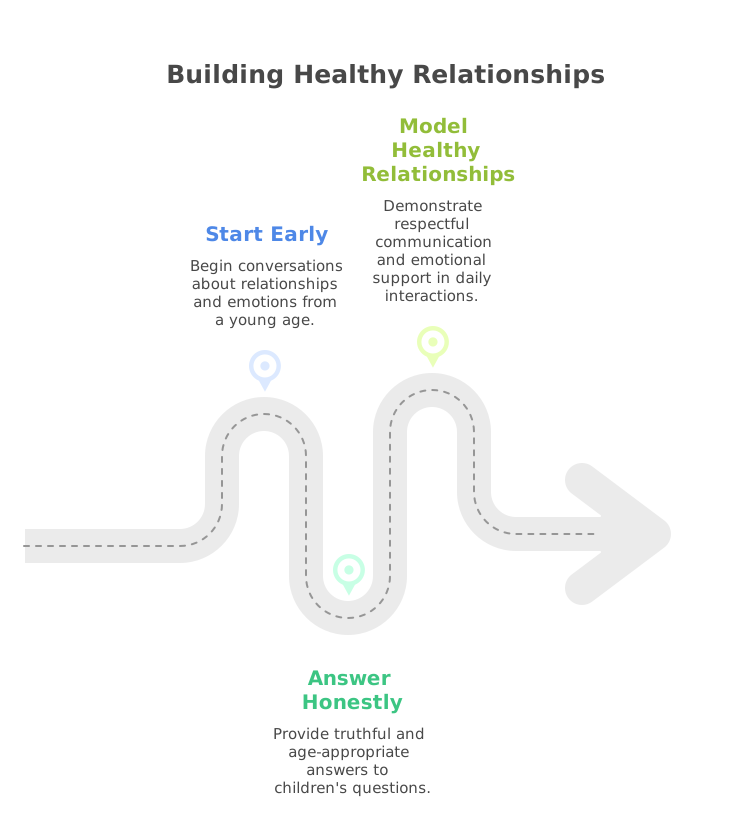
Don’t wait until puberty hits to talk about relationships and sex. Use age-appropriate language to discuss love, kindness, consent, and emotions from the very beginning. These early conversations create lasting trust.
Answer Questions Honestly
“Where do babies come from?” shouldn’t be met with giggles or discomfort. Answer truthfully based on the child’s age, and don’t be afraid to say, “Let me get back to you” if you need time to explain it well.
Model Healthy Relationships
Children and teens don’t just listen—they observe. Show them how respectful communication, emotional regulation, and mutual support look in real life. Let them see love in action, even during disagreement.
So much sexuality education is fear-based—focused on danger, disease, and dysfunction. But pleasure is a valid, beautiful part of human experience. When we teach people that their pleasure matters, we teach them their voice matters; their joy, boundaries, and desires all become part of the conversation.
Shame-Free, Empowered Learning
Everyone deserves to understand their body and how it can feel good—without guilt. Pleasure-positive education helps dismantle shame and fosters confidence, agency, and stronger emotional relationships.
Conclusion: Relationships and Sexuality Education Is a Human Right
Relationships and sexuality education is not about corrupting young minds or encouraging risky behavior—it’s about giving people the tools they need to make empowered, respectful, and joyful decisions in their lives and relationships.
By embracing this powerful education model, we create a world where people know how to protect themselves, express their needs, honor their bodies, and connect in ways that are healthy, kind, and life-changing. It’s not just sex ed. It’s soul-deep education for a more emotionally intelligent world.