Your subscription could not be saved. Please try again.
Your subscription has been successful.
Testosterone Boosting: Natural Ways to Increase Levels & Improve Vitality
Testosterone is more than just a “male hormone”—it’s a critical player in energy, strength, mood, muscle growth, sexual health, and overall vitality in men. Produced primarily in the testicles, testosterone influences everything from libido and bone density to red blood cell production and cognitive function.
As men age, it’s natural for testosterone levels to decline gradually, but lifestyle factors like stress, poor sleep, lack of exercise, or unhealthy diets can accelerate this drop—leading to symptoms such as fatigue, low sex drive, weight gain, irritability, and reduced performance in the gym and bedroom.
The good news? You don’t always need prescriptions or synthetic hormones to feel like yourself again. This guide is designed to explore natural, proven methods to boost testosterone—through smart nutrition, targeted exercise, better sleep, stress reduction, and key supplements.
Whether you’re looking to reignite your energy, build muscle, or simply feel more balanced and vital, these strategies can help support healthy testosterone production—safely, effectively, and sustainably.
Testosterone is the primary male sex hormone, though it’s also present in smaller amounts in women. It plays a central role in male development, physical performance, sexual function, and emotional well-being. While it’s most known for its influence during puberty, testosterone continues to impact health throughout adulthood.
🔹 Key Functions of Testosterone
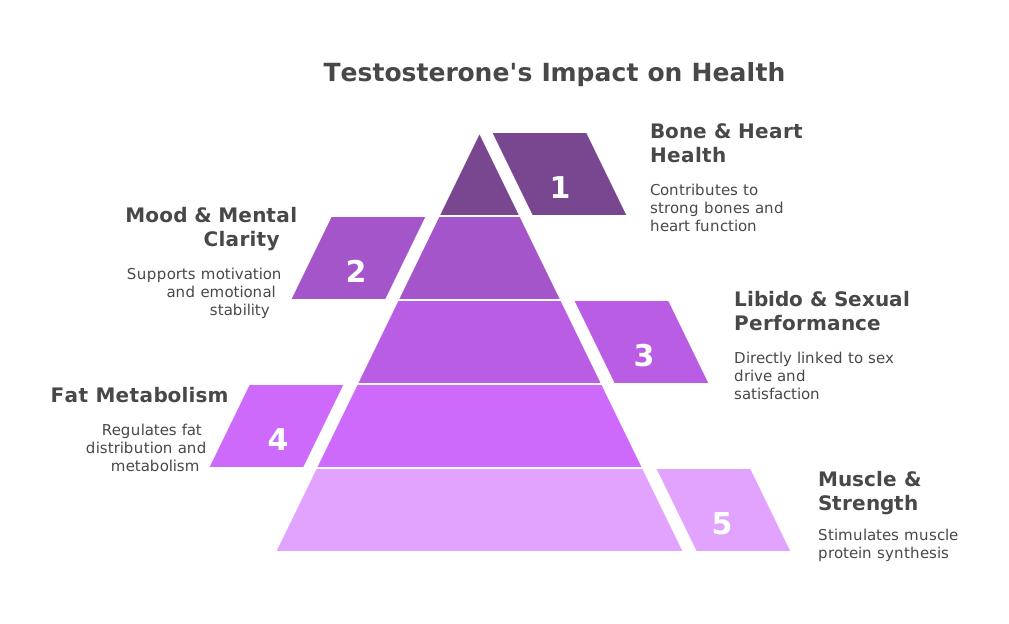
1. Muscle Growth & Strength Testosterone helps stimulate muscle protein synthesis, which is essential for muscle development, maintenance, and recovery. Higher levels support lean muscle mass and greater physical strength.
2. Fat Metabolism Testosterone helps regulate fat distribution and metabolism. Lower levels can lead to increased body fat, especially around the belly. Boosting testosterone naturally may support healthier body composition.
3. Libido & Sexual Performance Testosterone is directly linked to sex drive, erection quality, and overall sexual satisfaction. Low levels can reduce interest in sex, lead to performance issues, and affect confidence in the bedroom.
4. Mood & Mental Clarity Healthy testosterone levels support motivation, mental focus, and emotional stability. A drop in testosterone may result in mood swings, irritability, or even depression.
5. Bone Density & Heart Health Testosterone contributes to strong bones and may play a role in cardiovascular function. Men with optimal levels are more likely to maintain physical resilience and lower their risk of injury as they age.
⚠️ Signs of Low Testosterone
A decline in testosterone levels—often referred to as Low T—can occur naturally with age or be influenced by poor lifestyle habits. Common symptoms include:
Chronic fatigue or low energy
Decreased libido or reduced sexual performance
Mood changes such as irritability, anxiety, or mild depression
Muscle loss and difficulty building strength
Weight gain, especially in the abdominal area
Trouble concentrating or feeling mentally sluggish
Recognizing these symptoms is the first step. The next? Taking proactive steps to naturally support and restore testosterone levels, which we’ll cover in the sections ahead.
Diet and Nutrition for Higher Testosterone
Your diet plays a powerful role in supporting natural testosterone production. The right foods can help regulate hormones, reduce inflammation, and provide the essential nutrients your body needs to optimize testosterone levels. On the flip side, certain dietary choices can sabotage your efforts by increasing estrogen, disrupting insulin sensitivity, or contributing to weight gain—all of which lower testosterone.
Let’s break down what to eat more of—and what to avoid—if you’re serious about boosting testosterone naturally.
✅ Best Testosterone-Boosting Foods
Incorporating these foods into your regular diet can help elevate your hormone profile and support overall vitality:
1. Eggs Rich in healthy fats, protein, and vitamin D, eggs support testosterone synthesis and muscle recovery. Don’t fear the yolk—it’s packed with hormone-friendly nutrients.
2. Fatty Fish (like salmon, sardines, and mackerel) Loaded with omega-3 fatty acids, which reduce inflammation and help regulate hormonal function. Fatty fish also contains vitamin D, another key testosterone-supporting nutrient.
3. Lean Meats (such as chicken, turkey, and grass-fed beef) Excellent sources of protein, zinc, and B vitamins, which are vital for testosterone production, energy, and muscle repair.
4. Nuts and Seeds (especially Brazil nuts, almonds, and pumpkin seeds) These are great sources of zinc, selenium, and healthy fats. Brazil nuts, in particular, are high in selenium—an essential trace mineral for hormone balance.
5. Leafy Greens (spinach, kale, Swiss chard) Packed with magnesium, which may help increase free testosterone by reducing binding to SHBG (sex hormone-binding globulin). Greens also support circulation and reduce oxidative stress.
🧬 Essential Nutrients for Hormone Health
To naturally boost testosterone, your body relies on these critical nutrients:
Zinc: Key for testosterone production and immune function. Deficiency is linked to hypogonadism (low testosterone).
Vitamin D: Functions like a hormone in the body and supports testosterone synthesis. Sunlight is great, but food and supplements can help.
Magnesium: Helps increase free testosterone levels and supports muscle performance.
Supplementing may help if you’re deficient—but always aim to get these nutrients from whole foods first.
🚫 Foods to Avoid (Testosterone Killers)
Certain foods can lower testosterone levels, promote estrogen dominance, or increase inflammation—all of which work against your goals.
1. Processed Sugar & Refined Carbs Excess sugar spikes insulin and contributes to fat gain, both of which reduce testosterone.
2. Alcohol Heavy alcohol consumption can impair testicular function, lower testosterone, and increase estrogen levels. Occasional moderation is fine—but consistent overdrinking is a hormone saboteur.
3. Highly Processed & Soy-Based Products Some research suggests that highly processed soy (not whole soy) may mimic estrogen in the body. While moderate amounts of soy are generally safe, excessive intake of soy protein isolates and processed snacks may impact hormone balance in sensitive individuals.
The bottom line? A diet rich in whole foods, healthy fats, lean proteins, and key micronutrients gives your body the fuel it needs to optimize testosterone levels and perform at its peak—physically, mentally, and sexually.
Exercise and Strength Training
Few things fire up testosterone production like well-structured workouts. Exercise—especially the right kind—not only builds muscle and burns fat, but also triggers the release of anabolic hormones, including testosterone and growth hormone. When done correctly, your workout routine can become one of your most powerful tools for increasing vitality and masculine energy.
🏋️♂️ Best Workouts for Boosting Testosterone
Not all exercise is created equal when it comes to hormonal response. These training styles are the most effective for naturally elevating testosterone levels:
1. Weightlifting & Resistance Training Lifting weights stimulates muscle growth and prompts the body to release testosterone. Focus on progressive overload—gradually increasing the weight, reps, or intensity to keep your muscles challenged and growing.
2. HIIT (High-Intensity Interval Training) Short bursts of intense activity followed by brief recovery periods have been shown to increase both free testosterone and growth hormone. HIIT also promotes fat loss and insulin sensitivity—key factors for hormonal health.
3. Bodyweight Resistance Training Push-ups, pull-ups, lunges, and planks still count! These compound bodyweight movements engage multiple muscle groups and stimulate hormonal responses similar to weighted exercises when performed with intensity.
💪 Focus on Compound Exercises
Compound lifts are multi-joint, large-muscle-group movements—and they’re testosterone gold. These exercises engage the nervous system and stimulate significant anabolic hormone release.
Top compound exercises include:
Squats (targets legs, core, and posterior chain)
Deadlifts (works almost every muscle in the body)
Bench Press (chest, shoulders, triceps)
Pull-Ups/Rows (upper back, arms, grip)
Overhead Press (shoulders, upper chest, core)
Aim to train 3–4 times per week, focusing on proper form, controlled movement, and progressive strength gains.
💤 Don’t Skip Rest and Recovery
While intense workouts are powerful testosterone boosters, overtraining can do the opposite—raising cortisol (the stress hormone) and suppressing natural testosterone production.
Prioritize recovery with at least 1–2 rest days per week
Ensure 7–9 hours of quality sleep per night
Use recovery tools like foam rolling, stretching, and hydration
Remember: gains happen during recovery, not just in the gym. Training hard is important—but so is training smart.
Consistency + intensity + recovery = the sweet spot for natural testosterone enhancement. Whether you’re just starting out or already lifting regularly, a strategic fitness plan can help you reclaim your strength, energy, and hormonal balance.
You can lift heavy, eat clean, and take every supplement on the shelf—but if you’re not sleeping well, your testosterone levels will suffer. Sleep is one of the most underrated tools for hormone optimization, playing a direct and powerful role in testosterone production, muscle recovery, and overall vitality.
😴 The Link Between Sleep and Testosterone
Most of your daily testosterone is produced during deep sleep, especially in the early hours of the night. In fact, studies show that men who sleep fewer than 5–6 hours per night may experience significantly reduced testosterone levels, even if they’re otherwise healthy and active.
Getting 7–9 hours of high-quality sleep each night helps:
Maximize testosterone and growth hormone release
Support muscle repair and fat metabolism
Regulate cortisol (stress hormone), which can suppress testosterone
Improve libido, mental clarity, and mood
Less sleep = more stress + lower testosterone = a vicious cycle. The good news? It’s reversible, starting with better sleep hygiene.
🌙 Sleep Hygiene Tips for Higher Testosterone
Creating an environment that supports deep, restorative sleep is one of the best natural testosterone boosters you can practice daily. Try these simple but powerful habits:
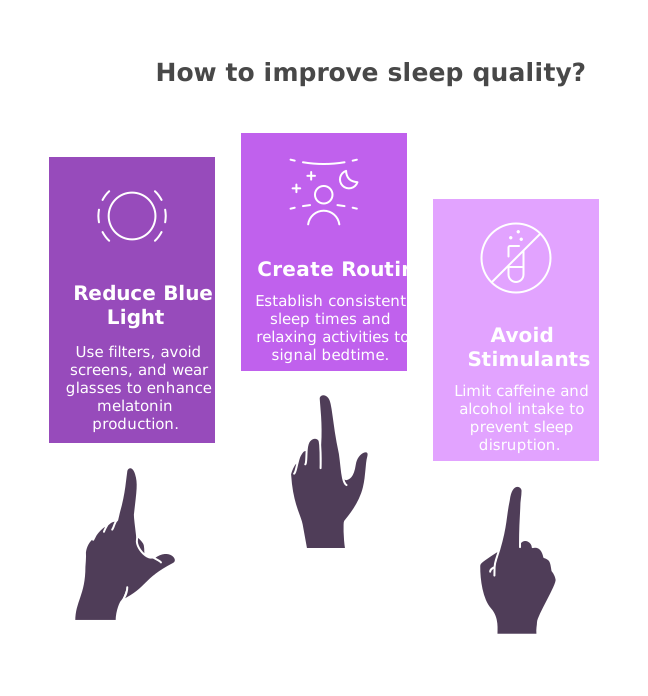
1. Reduce Blue Light Exposure at Night Blue light from screens (phones, TVs, laptops) suppresses melatonin, which tells your brain it’s time to sleep. ✅ Use blue light filters after sunset ✅ Avoid screens 1 hour before bed ✅ Consider blue light-blocking glasses in the evening
2. Create a Bedtime Routine Signal to your body it’s time to wind down by building a relaxing pre-sleep ritual. ✅ Set a consistent bedtime and wake time—even on weekends ✅ Stretch, read, or take a warm shower before bed ✅ Dim the lights to encourage melatonin production
3. Avoid Stimulants Late in the Day Caffeine can stay in your system for 6–8 hours, making it harder to fall asleep and stay asleep. ✅ Avoid coffee, pre-workout, or energy drinks after 2–3 PM ✅ Limit alcohol, which may make you drowsy but disrupts deep sleep
Sleep isn’t lazy—it’s strategic recovery. Prioritizing consistent, high-quality sleep is one of the most effective, no-cost ways to increase testosterone, feel more energized, and build a stronger, healthier body.
Reducing Stress and Managing Cortisol
Stress is more than just a mental burden—it’s a hormonal disruptor, and one of the biggest enemies of healthy testosterone production. When you’re chronically stressed, your body produces more cortisol, a hormone designed to help you handle short-term threats. But when cortisol stays elevated for too long, it throws your entire endocrine system off—suppressing testosterone levels, impairing recovery, and contributing to fatigue, fat gain, and low libido.
⚠️ High Cortisol = Low Testosterone
Here’s how chronic stress negatively affects testosterone:
Cortisol competes with testosterone for precursor hormones, limiting how much testosterone your body can produce.
Stress promotes inflammation and poor sleep, both of which lower testosterone further.
Chronic tension can lead to emotional burnout, reduced motivation, and poor performance—physically and sexually.
Managing stress isn’t just good for mental health—it’s essential for hormonal balance and overall vitality.
🧘 Effective Techniques to Reduce Stress Naturally
Incorporate these proven techniques into your daily or weekly routine to calm your nervous system, support mental clarity, and boost testosterone naturally:
1. Meditation and Mindfulness Just 5–10 minutes a day of mindfulness meditation can reduce cortisol, calm the mind, and improve sleep quality. ✅ Try guided meditations via apps like Headspace or Calm ✅ Focus on your breath or a single mantra ✅ Practice staying present and letting go of overthinking
2. Deep Breathing (Box Breathing or 4-7-8 Method) Controlled breathing stimulates the parasympathetic nervous system—your body’s natural relaxation response. ✅ Try inhaling for 4 seconds, holding for 7, exhaling for 8 ✅ Do this before bed, after workouts, or during stressful moments
3. Physical Activity (non-intense) Walking, yoga, light cardio, or stretching all help reduce cortisol without spiking it like high-intensity workouts sometimes can when overdone.
💼 Don’t Underestimate Work-Life Balance
A testosterone-friendly life includes more than reps and macros. It includes rest, boundaries, and joy.
Schedule regular breaks—even short walks help
Take real downtime where you’re not working or glued to a screen
Prioritize time with people, hobbies, and nature
Avoid “hustle culture” that glorifies burnout
Relaxation is productive. And in the context of testosterone, it’s absolutely essential.
Managing stress is one of the most overlooked strategies in the quest for higher testosterone. When you actively reduce cortisol, you create space for your body to thrive—mentally, hormonally, and physically.
Weight Management and Body Fat Reduction
Body fat isn’t just stored energy—it’s hormonally active. And when it comes to testosterone, excess fat (especially around the belly) can be a major problem. Fat cells—particularly visceral fat—produce the enzyme aromatase, which converts testosterone into estrogen, leading to lower T levels and a host of side effects including fatigue, reduced muscle mass, low libido, and mood swings.
Maintaining a lean, muscular physique is one of the most effective ways to support healthy testosterone production.
⚖️ How Fat Affects Hormones
More fat = more aromatase → more testosterone converted into estrogen
Increased estrogen disrupts the body’s hormonal balance, further lowering testosterone
Insulin resistance, often tied to higher fat mass, negatively impacts hormonal regulation and fat storage
🔥 Best Strategies for Losing Fat Without Losing Muscle
1. Prioritize Resistance Training Focus on strength training to preserve and build lean muscle while losing fat. Muscle is metabolically active and helps regulate hormones like testosterone and insulin.
2. Eat a High-Protein Diet Protein supports muscle maintenance and increases satiety, which helps with fat loss. Aim for at least 0.8–1 gram of protein per pound of body weight.
3. Incorporate Moderate Cardio Low- to moderate-intensity cardio (like walking, biking, or incline treadmill) enhances fat burn without excessively spiking cortisol (which can suppress testosterone).
⏱️ Intermittent Fasting & Carb Cycling
These advanced strategies can support fat loss and hormonal optimization when done right:
Intermittent Fasting (IF) helps reduce insulin levels and may support higher growth hormone and testosterone production. Try a 16:8 fasting window (16 hours fasting, 8 hours eating) a few days a week.
Carb Cycling alternates high-carb days (on training days) with lower-carb days (on rest days), helping manage insulin sensitivity and support fat loss without hormonal crashes.
⚠️ Note: These strategies should be adapted to your energy needs and training level. Always prioritize sustainability over short-term extremes.
Getting lean isn’t just about aesthetics—it’s a direct path to hormonal health, energy, and confidence. Keeping body fat in check sets the stage for consistently higher testosterone.
Sunlight and Vitamin D: A Natural Testosterone Booster
One of the most underrated natural testosterone boosters is completely free and available every day: sunlight. Your skin produces vitamin D when exposed to UVB rays, and this essential nutrient functions more like a hormone than a vitamin—directly influencing testosterone production, sperm quality, immune function, and mood.
☀️ The Vitamin D–Testosterone Connection
Men with higher vitamin D levels tend to have higher testosterone levels
Vitamin D supports Leydig cell function in the testes—these are the very cells responsible for producing testosterone
It may also help reduce sex hormone-binding globulin (SHBG), allowing for more free, active testosterone in the bloodstream
🌞 Best Ways to Get More Vitamin D
1. Sun Exposure
Aim for 15–30 minutes of direct sunlight on your skin (arms, face, legs) a few times a week, preferably midday
Darker skin tones may need longer exposure to synthesize sufficient vitamin D
Use caution with UV overexposure—never burn
2. Diet Sources
Fatty fish (salmon, mackerel, sardines)
Egg yolks
Fortified foods (like milk and cereals)
3. Supplements If you live in a colder climate or get limited sun, consider taking vitamin D3 supplements. The optimal dosage varies, but many studies use 2,000–5,000 IU daily. Blood testing can confirm your levels.
Pro tip: Pair vitamin D with vitamin K2 and a fat-containing meal for better absorption and distribution.
Even modest increases in vitamin D can lead to noticeable improvements in mood, libido, strength, and overall vitality—all signs of optimized testosterone.
Herbs and Natural Supplements for Testosterone
Nature offers a variety of plant-based solutions that may help support healthy testosterone production—especially when combined with good sleep, diet, and exercise. While not miracle pills, certain herbs and natural supplements have shown promising results in clinical studies.
🌿 Proven Natural Testosterone Boosters
1. Ashwagandha An adaptogenic herb known for reducing cortisol and boosting testosterone. Research suggests it may increase T levels by up to 17%, improve sperm count, and enhance strength and recovery.
2. Fenugreek Fenugreek seeds contain compounds that may inhibit the enzymes that convert testosterone to estrogen. Studies show it may support increased libido, strength, and T levels in healthy men.
3. Tribulus Terrestris Traditionally used for male vitality, tribulus may improve sexual desire and performance. Its effects on testosterone are mixed in research, but it may be useful for those with low libido.
4. Maca Root Native to the Andes, maca is more of an energy and libido enhancer than a testosterone booster—but it helps with sexual stamina, mood, and endurance, which indirectly support hormonal health.
⚠️ Always Consult Before Supplementing
Before starting any supplement, speak with a healthcare provider—especially if you’re on medications or have underlying health conditions. Supplements may interact with other treatments or be ineffective if the root cause of low testosterone is medical.
Look for reputable brands, third-party testing, and avoid mega-doses or proprietary blends with unclear ingredients.
Healthy Sex Life and Its Impact on Testosterone
Yes, your sex life actually influences your testosterone levels. While testosterone fuels desire, regular sexual activity and intimacy also help sustain healthy T production—creating a beneficial cycle of vitality, performance, and hormonal balance.
💡 How Sex Supports Testosterone
Studies show that men who are sexually active tend to have higher testosterone levels
Sexual arousal and orgasm trigger a temporary testosterone surge, especially in the morning
Intimacy (not just sex) supports emotional health, reduces stress, and promotes better sleep
⚠️ The Balance: Don’t Overdo It
While regular sex is beneficial, excessive ejaculation—particularly in men engaging in multiple daily sessions or frequent masturbation—may temporarily lower testosterone or increase fatigue in some cases.
Listen to your body. A satisfying, balanced sex life that includes emotional intimacy and rest supports both your libido and long-term hormone health.
Avoiding Endocrine Disruptors
Modern life exposes us to countless toxins and chemicals that can disrupt the body’s hormone systems—especially testosterone. These substances are known as endocrine disruptors, and they interfere with the natural production, signaling, and regulation of key hormones.
🧪 Common Testosterone-Suppressing Toxins
BPA and phthalates in plastics and canned foods
Pesticides on non-organic produce
Parabens and synthetic fragrances in personal care products
Processed foods high in trans fats and artificial additives
These compounds can mimic estrogen or block androgen receptors, reducing testosterone over time and affecting sperm quality, libido, and energy.
✅ How to Reduce Exposure
Use glass, stainless steel, or BPA-free containers for food and drink
Avoid heating food in plastic
Choose natural personal care products with minimal ingredients
Eat organic produce when possible
Focus on whole, minimally processed foods to support gut and hormone health
Bonus: A healthy gut = better nutrient absorption = better testosterone support.
Making small, consistent changes to reduce toxin exposure helps protect your testosterone levels, fertility, and long-term vitality—especially when paired with the other strategies in this guide.
When to Seek Medical Advice
While natural lifestyle changes can significantly improve testosterone levels for many men, there are times when professional help is not only helpful—but necessary. Severely low testosterone, also known as hypogonadism, can negatively affect nearly every aspect of health and quality of life.
If you’ve implemented healthy habits and are still struggling with persistent symptoms, it may be time to consult a healthcare provider.
🚩 Signs That May Require Medical Evaluation
Don’t ignore these more serious or prolonged symptoms of low testosterone:
Constant fatigue and low motivation
Loss of muscle mass despite training and diet
Ongoing low libido or erectile dysfunction
Difficulty focusing, poor memory, or brain fog
Irritability, depression, or mood swings
Decreased bone density or frequent fractures
A blood test is the only way to confirm low testosterone levels. Doctors usually test total testosterone (morning levels are most accurate) and may also check free testosterone, SHBG, LH, and FSH for a full hormonal picture.
💉 What About TRT (Testosterone Replacement Therapy)?
Testosterone Replacement Therapy (TRT) is a medical treatment that delivers synthetic or bioidentical testosterone via injections, gels, patches, or pellets. It’s typically prescribed for men with clinically diagnosed low testosterone.
Potential Benefits:
Increased energy, mood, and libido
Improved muscle mass and fat loss
Better sexual function and mental clarity
Enhanced bone density and strength
Potential Risks:
Suppressed natural testosterone production (your body stops making its own)
Testicular shrinkage or reduced sperm count
Acne, fluid retention, or sleep apnea
Heart and prostate health risks (still under research and debate)
TRT should never be self-prescribed or sourced illegally. Only begin treatment under medical supervision, with ongoing blood tests to monitor hormone levels and organ health.
🩺 Routine Hormone Check-Ups
Even if you’re not currently seeking TRT, regular hormone check-ups (especially after age 35–40) can help catch imbalances early. This gives you more options—ranging from natural strategies to medical support—before symptoms worsen.
Your health is personal. If you’re experiencing signs of low testosterone that affect your quality of life, don’t guess—get tested, get answers, and explore your options with a qualified provider. Early action can make all the difference.
Conclusion
Testosterone is more than just a “male hormone”—it’s the foundation of energy, strength, confidence, and sexual vitality. While levels naturally decline with age, many modern lifestyle factors—from stress and poor sleep to excess body fat and toxin exposure—can cause testosterone to dip earlier and more drastically than expected.
The good news? You don’t have to jump straight to synthetic treatments. As you’ve learned in this guide, there are powerful, natural strategies to optimize your testosterone levels, including:
Prioritizing strength training and recovery
Eating a hormone-supportive diet rich in zinc, vitamin D, and healthy fats
Maintaining a healthy weight and limiting exposure to endocrine disruptors
Exploring natural supplements when appropriate
Staying sexually and emotionally connected to support hormonal well-being
And if symptoms persist or worsen, there’s no shame in seeking help. Medical evaluations and hormone testing can provide clarity and guide next steps—whether that’s lifestyle tuning or clinical support like TRT.
The path to optimal testosterone isn’t about quick fixes—it’s about long-term, sustainable habits that fuel your vitality from the inside out. Take control of your health, make informed choices, and remember: the strongest version of you is well within reach.