The word lesbian represents more than just a label—it embodies a rich and diverse identity within the broader LGBTQ+ spectrum. Rooted in same-gender attraction between women, the lesbian identity plays a vital role in shaping queer culture, history, and community.
To identify as lesbian is to embrace a connection—romantic, sexual, emotional, or all three—with other women. For many, it also includes a journey of self-discovery, empowerment, and belonging. Yet despite growing visibility, misunderstandings and stereotypes still persist, making education and awareness essential.
In this article, we’ll explore what it truly means to be lesbian—from definitions and personal identity to cultural nuance and the importance of inclusive representation. Whether you’re part of the community or seeking to support someone who is, understanding lesbian identity helps foster respect, empathy, and connection.
And some non-binary individuals who feel aligned with womanhood
Diverse Paths to Womanhood
The core of the lesbian identity centers on same-gender attraction among women—but like all aspects of human identity, it’s deeply personal and shaped by individual experience.
More Than a Definition—It’s a Lived Identity
While “lesbian” is often used as a straightforward term, it holds cultural, emotional, and political meaning. Across the globe, lesbians express their identity in ways influenced by:
Language and regional terms
Cultural traditions or gender roles
Intersectional identities (such as race, religion, or disability)
It’s important to recognize that no single experience defines what it means to be lesbian. Some women embrace the term proudly, while others may identify with adjacent labels like gay woman, queer, or sapphic. All are valid expressions of same-gender attraction and deserve equal respect.
The History and Evolution of the Term
The word lesbian traces its roots to the Greek island of Lesbos, the home of ancient poet Sappho, who wrote passionately about love and desire between women. Her legacy has influenced language and identity for centuries, making “lesbian” one of the earliest documented expressions of same-gender love among women.
From Stigmatized to Empowered
For much of modern history, the term “lesbian” was medicalized or treated as taboo—pathologized by psychology, censored by media, and erased from education. But over time, and especially through the work of feminist and LGBTQ+ activists, the lesbian identity has been reclaimed as a symbol of strength, pride, and visibility.
In the 20th century, lesbians played a central role in queer liberation movements, women’s rights advocacy, and community-building efforts—creating safe spaces and resisting erasure in both mainstream and LGBTQ+ circles.
Generational and Cultural Shifts
The meaning of “lesbian” continues to evolve. While some proudly embrace the term, others—especially younger generations or people of color—may identify instead as queer, sapphic, or gay due to personal resonance, inclusivity, or a desire to avoid rigid labels.
Ultimately, the term “lesbian” carries history, resilience, and diversity, and its meaning is shaped by those who claim it.
Understanding Lesbian Attraction
Lesbian attraction isn’t one-size-fits-all. For many women, it can include any combination of:
Romantic attraction (emotional closeness and love)
Sexual attraction (physical or erotic desire)
Emotional or aesthetic attraction (deep connection or admiration of beauty)
Hierarchy of Attraction
Identity Over Behavior
Being lesbian is not solely defined by past or current sexual experiences. It’s about how someone feels, identifies, and connects—not just what they do. A woman may identify as lesbian even if she has had relationships with men in the past, or if she hasn’t yet had a relationship with a woman.
sexual orientation is internally felt, self-defined, and valid at every stage of life.
Discovery Is Unique for Everyone
For some lesbians, attraction to other women is recognized early in life; for others, it may emerge gradually or after periods of questioning. There’s no right timeline or path—what matters is honoring one’s truth and identity.
Whether it’s a subtle realization or a bold awakening, lesbian attraction is diverse, valid, and deeply personal.
The Diversity of Lesbian Identity
There is no single way to be lesbian. The lesbian community is beautifully diverse, reflecting a wide spectrum of gender expressions, cultural backgrounds, and lived experiences.
Butch, Femme, and Everything In Between
Lesbian identity includes many subcultures and self-expressions, such as:
Butch – often associated with masculinity or a rugged aesthetic
Femme – embracing femininity in appearance or energy
Stem (stud-femme), soft butch, high femme, and many more
Understanding gender expression through the lens of masculinity
These labels reflect personal style, energy, and gender expression, not strict rules or roles. They offer language for self-definition, attraction, and connection within the lesbian community.
Intersectionality Matters
Being lesbian doesn’t exist in isolation—it intersects with:
A Black lesbian’s experience, for example, may be shaped by different cultural expectations and challenges than those of a white lesbian. Understanding intersectionality helps us recognize the richness and complexity within lesbian communities and fight for inclusion across all lines of identity.
Lesbian Relationships and Intimacy
Lesbian relationships encompass the same range of romantic and sexual dynamics as any other—grounded in love, attraction, shared values, and emotional connection.
Deep Emotional and Sexual Intimacy
Lesbian partnerships often involve:
Romantic connection and mutual support
Sexual exploration based on communication and trust
A strong emphasis on emotional intimacy and bonding
The stereotype of “lesbian U-Hauling” (moving in quickly) is often a lighthearted joke, but it speaks to how emotionally invested and committed many lesbian relationships can become early on.
Relationship Structures Vary
Just like any relationship, lesbian couples may be:
Monogamous or polyamorous
Casual or committed
Short-term or lifelong
Open communication, trust, and shared emotional labor often define a successful lesbian relationship, not rigid expectations.
Media Representation and Visibility
For decades, lesbian visibility in media was minimal, stereotyped, or entirely absent. When it did appear, it was often through harmful lenses that reinforced shame or erasure.
From Invisibility to Harmful Tropes
Historically, portrayals of lesbian characters were:
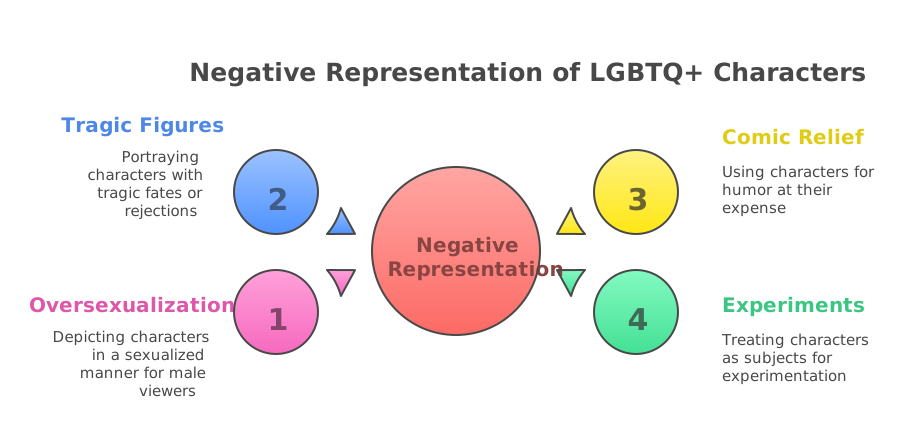
Oversexualized for the male gaze
Shown as tragic figures who often died or were rejected (“bury your gays” trope)
Treated as comic relief or “experiments”
Negative Representation of LGBTQ+ Characters
These depictions caused harm by reinforcing the idea that lesbian love is illegitimate, doomed, or less than.
Rise of Queer Storytellers and Representation
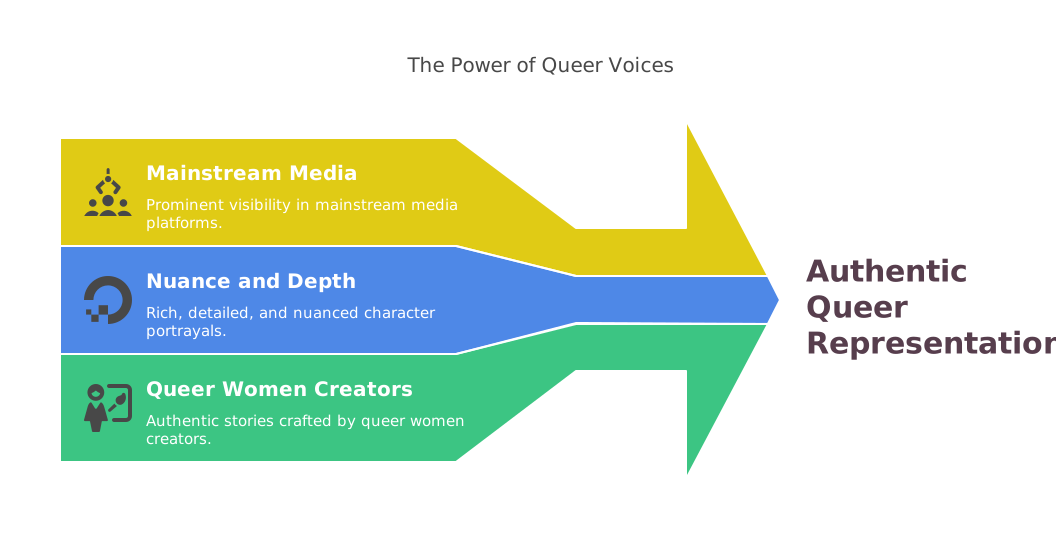
In recent years, there’s been a powerful shift. Lesbian characters are now:
Leading in mainstream media
Portrayed with nuance, depth, and authenticity
Created and written by queer women themselves
The Power of Queer Voices
Shows, books, and films like The L Word, Portrait of a Lady on Fire, Gentleman Jack, and stories by lesbian authors have helped bring lesbian joy, pain, love, and strength to the forefront.
This growing visibility matters—it affirms identity, fights erasure, and provides representation that mirrors real-life diversity.
Challenges Faced by Lesbian Individuals
While being lesbian is a valid and empowering identity, many individuals still face unique challenges tied to societal bias, systemic discrimination, and intersectional oppression.
Homophobia and Gender-Based Discrimination
Lesbian individuals often experience both homophobia and sexism, leading to:
Workplace discrimination
Social stigma
Harassment or violence, especially in unsupportive environments
Lesbians of color, disabled lesbians, and those from conservative cultures may encounter even more layered barriers.
Invisibility and Exclusion
Despite progress in LGBTQ+ rights, many lesbians still report feeling excluded or underrepresented in:
Mainstream queer culture, which can often center cisgender gay men
Feminist spaces, where lesbian voices are sometimes marginalized
Media, where portrayals of lesbian life are limited, stereotyped, or hypersexualized
This lack of representation contributes to feelings of erasure or isolation.
Health Care and Legal Barriers
Lesbian individuals may face challenges in:
Accessing inclusive reproductive and sexual health care
Navigating family planning, fertility options, and parental rights
Gaining legal recognition of marriages or partnerships—especially in regions with restrictive laws
Advocacy is ongoing to ensure equal rights, respect, and access in every aspect of life.
Celebrating Lesbian Pride and Community
In the face of adversity, lesbian communities thrive with resilience, joy, and collective strength. Pride isn’t just about visibility—it’s about celebration, survival, and solidarity.
Spaces That Affirm and Empower
Lesbian bars, Pride events, online communities, and cultural hubs serve as vital spaces for:
Connection and support
Exploration of identity
Resistance to isolation and invisibility
Queer Women Representation
These environments allow lesbians to be seen, heard, and celebrated without judgment.
Uplifting Lesbian Joy and Creativity
From poets and activists to musicians and creators, lesbian individuals have long made significant contributions to culture through art, leadership, and innovation. Celebrating lesbian pride also means:
Honoring history and trailblazers
Supporting new voices and creators
Recognizing joy as a form of resistance
The Power of Chosen Family and Solidarity
For many, chosen families offer the love and acceptance that may not come from biological relatives. These deep bonds are essential in sustaining:
Emotional well-being
Collective healing
Ongoing activism for justice and equality
Being part of a lesbian community means knowing you’re not alone—it means being part of something powerful, loving, and transformative.
Conclusion
Being lesbian is more than a label—it’s a valid, vibrant, and powerful expression of same-gender love, attraction, and identity. It represents joy, resilience, connection, and a journey that is deeply personal and often deeply transformative.
Whether navigating identity, building relationships, or fighting for visibility and inclusion, lesbians continue to shape culture, challenge norms, and create space for authenticity.
In a world where misunderstanding and erasure still exist, it’s essential to uplift, respect, and celebrate lesbian voices and experiences. Representation, community, and allyship matter—and every story shared brings us closer to a world of greater understanding, pride, and equality.