Your subscription could not be saved. Please try again.
Your subscription has been successful.
Safe Sex Practices and Protection
Safe sex is more than just a precaution—it’s an essential aspect of sexual health, empowerment, and self-care. Whether you’re exploring intimacy with a new partner, in a long-term relationship, or simply navigating your own desires, practicing safe sex plays a key role in protecting your body, building trust, and making informed, confident choices.
At its core, safe sex is about creating an environment where pleasure and protection go hand in hand. It involves reducing the risk of sexually transmitted infections (STIs), preventing unwanted pregnancies, and ensuring that consent, communication, and respect are central to every encounter. But it’s also about understanding your options, accessing the right tools, and knowing that safety can—and should—enhance, not hinder, the joy of sex.
This guide explores practical, inclusive, and affirming approaches to safe sex across a variety of sexual experiences, identities, and relationship types. By shedding light on barriers, behaviors, and conversations that support well-being, we aim to promote both physical health and emotional confidence in every intimate connection.
Safe sex refers to a set of practices designed to reduce the risk of sexually transmitted infections (STIs), prevent unintended pregnancies, and minimize emotional or physical harm during sexual activity. While often associated with physical protection methods like condoms and dental dams, safe sex also encompasses emotional safety, informed consent, and open communication between partners.
At its core, safe sex isn’t about limiting pleasure—it’s about making intimacy safer, more respectful, and more empowering for everyone involved. It’s a way of caring for yourself and your partner(s), recognizing that sexual health is a vital part of overall well-being.
Safe sex practices may include:
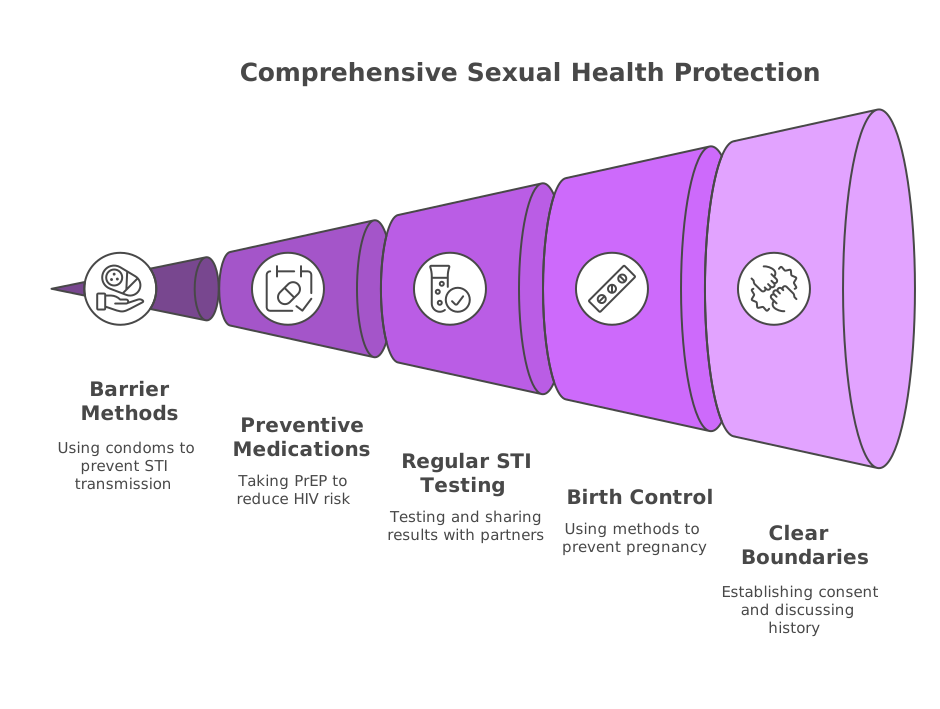
Using barrier methods such as condoms, internal condoms, or dental dams to reduce STI transmission.
Taking preventive medications like PrEP (Pre-Exposure Prophylaxis) for HIV.
Regular STI testing and sharing results honestly with partners.
Using birth control methods (where pregnancy is a concern), such as pills, IUDs, or implants.
Establishing clear boundaries, getting enthusiastic consent, and discussing sexual history before intimacy.
Knowing how to identify healthy vs. coercive or unsafe behaviors.
Comprehensive Sexual Health Protection
In all cases, safe sex is not a one-size-fits-all approach. What’s safe and comfortable for one person might look different for another—depending on their health needs, relationship dynamics, and sexual preferences. The most important element is informed choice, where all individuals involved understand the risks, options, and responsibilities.
By focusing on protection, communication, and mutual respect, safe sex becomes a foundation for not just physical safety—but also emotional trust and deeper intimacy.
Condoms and Barrier Methods
Barrier methods are the cornerstone of safe sex, offering reliable protection against sexually transmitted infections (STIs) and, in some cases, unplanned pregnancy. They create a physical shield between partners that helps prevent the exchange of bodily fluids during oral, vaginal, or anal sex. These tools are accessible, affordable, and easy to incorporate into a variety of sexual activities—making them a vital part of any sexual health toolkit.
External (Male) Condoms
These are worn on the penis and are the most commonly used barrier method. Made from latex, polyurethane, or polyisoprene, external condoms are highly effective when used correctly, offering protection against both STIs and pregnancy. They’re also available in a variety of textures, sizes, and materials to enhance comfort and pleasure.
Internal (Female) Condoms
Worn inside the vagina or anus, internal condoms offer similar protective benefits. Made from nitrile (a latex-free material), they line the internal walls and have flexible rings at both ends—one that sits deep inside and one that remains outside the opening. They can be inserted hours in advance and are a great alternative for those who want more control over protection.
Dental Dams
Dental dams are thin sheets of latex or polyurethane used during oral sex on vulvas or anuses. They act as a barrier that still allows for sensation while reducing the risk of STI transmission. Though not as widely available, they can also be made by cutting an external condom or glove into a rectangle.
Gloves
Latex or nitrile gloves can be used during manual stimulation (fingering, fisting, etc.), especially when engaging with multiple partners or switching between different areas of the body. Gloves help prevent cuts, infections, and bacterial transfer.
💡 Tips for Use:
✅ Check the expiration date before use—expired materials can break or lose effectiveness.
💧 Use water-based or silicone-based lubricant with latex barriers; oil-based lubricants (like coconut or baby oil) can weaken latex and cause tearing.
🔁 Never reuse condoms, dental dams, or gloves. They are designed for one-time use only.
🌡️ Store them in a cool, dry place—heat and moisture can degrade the material over time.
⚠️ Avoid double-wrapping (e.g., two condoms)—this creates friction and increases the chance of breakage.
Barrier methods are more than just a safety measure—they’re a sign of care, respect, and responsibility. Incorporating them into your sex life can increase peace of mind, reduce health risks, and set the tone for open, empowered intimacy.
Lubrication for Comfort and Safety
Lubrication plays a vital role in safe and pleasurable sex. It helps reduce friction during sexual activity, making touch, penetration, and movement smoother and more comfortable for all partners. But more importantly, it also supports safety—by minimizing the chances of skin irritation, microtears, and condom breakage, all of which can increase the risk of sexually transmitted infections (STIs).
Whether you’re using condoms, toys, or engaging in skin-to-skin contact, incorporating the right lubricant can enhance both comfort and protection.
💧 Types of Lubricants
1. Water-Based Lubricants
The most versatile and widely available option.
Safe to use with all condom types and sex toys.
Easy to clean but may need reapplication during longer sessions.
Ideal for people with sensitive skin or those who want a no-fuss option.
2. Silicone-Based Lubricants
Ultra-slick and long-lasting—perfect for water play or extended sessions.
Compatible with condoms (including latex), but not always safe with silicone-based toys.
Doesn’t absorb into the skin, which means less reapplication.
Great for reducing friction and enhancing glide in anal or dry vaginal sex.
3. Oil-Based Lubricants
Thick and luxurious in texture, often preferred for external stimulation or massage.
Not safe for use with latex condoms—they can degrade the material and lead to breakage.
Can be harder to wash off and may increase the risk of infections if used internally.
Best used for external touch or when latex protection is not a factor.
✅ Quick Tips:
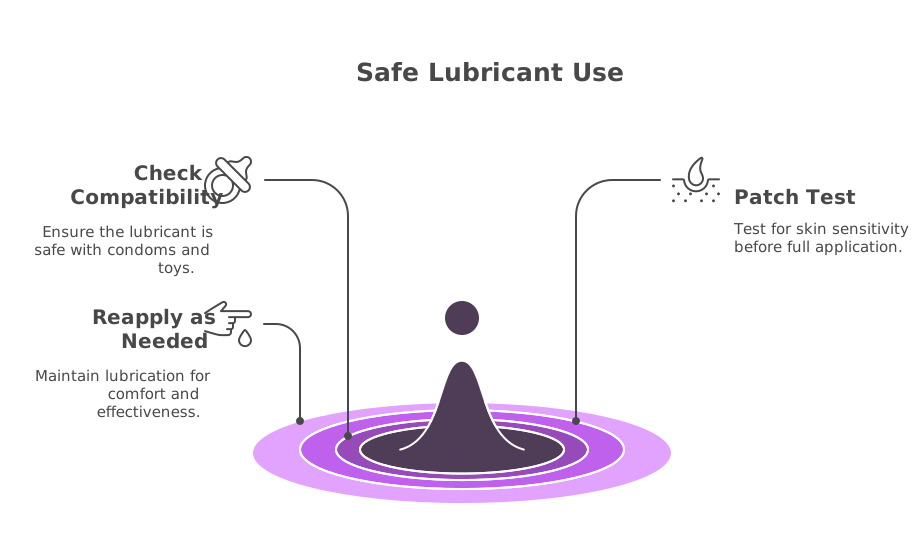
Always check the label for compatibility with condoms and toys.
Do a patch test on the skin if you’re prone to irritation or allergic reactions.
Reapply as needed—especially with water-based lube.
Store lubricants in a cool, clean area and keep them tightly sealed to maintain quality.
Safe Lubricant Use
Using the right lubricant isn’t just about enhancing pleasure—it’s also a powerful tool in reducing risks and creating a more relaxed, connected sexual experience. Whether solo or partnered, lubrication can be a small addition with a big impact on both safety and satisfaction.
Birth Control Options
Birth control, also known as contraception, empowers individuals to take control of their reproductive health and make informed choices about pregnancy prevention. There are a variety of birth control methods available—some hormonal, others non-hormonal—each with its own benefits, considerations, and effectiveness rates. While these methods are highly effective in preventing pregnancy, it’s important to note that only barrier methods (like condoms) also protect against sexually transmitted infections (STIs).
🔸 Hormonal Methods
Hormonal birth control works by regulating or halting ovulation, thickening cervical mucus, or altering the uterine lining to prevent pregnancy. Options include:
The Pill – Taken daily; contains estrogen and/or progestin.
The Patch – A skin patch changed weekly that releases hormones.
The Vaginal Ring (e.g., NuvaRing) – Inserted monthly into the vagina, releasing hormones locally.
The Shot (e.g., Depo-Provera) – Administered every three months by a healthcare provider.
The Implant (e.g., Nexplanon) – A small rod inserted under the skin of the arm, effective for up to 3 years.
Hormonal IUDs (e.g., Mirena, Kyleena) – Inserted into the uterus and effective for 3–7 years, depending on the type.
🔹 Non-Hormonal Methods
These options avoid altering hormone levels and are suitable for those who prefer or require hormone-free alternatives:
Copper IUD (e.g., Paragard) – A hormone-free device placed in the uterus that can prevent pregnancy for up to 10 years.
Fertility Awareness Methods – Tracking ovulation and menstrual cycles to avoid intercourse during fertile windows. Requires precision and consistency.
Barrier Methods – Such as condoms (external or internal), diaphragms, and cervical caps. These offer STI protection when used correctly.
⚠️ Emergency Contraception
Emergency contraception is designed for use after unprotected sex or contraceptive failure (like a condom breaking). It’s most effective the sooner it’s taken.
Plan B (Levonorgestrel) – Best taken within 72 hours. Available over-the-counter in many areas.
ella (Ulipristal Acetate) – Effective up to 5 days (120 hours) post-intercourse. Requires a prescription in some places.
Copper IUD – Can also be used as emergency contraception if inserted within 5 days after unprotected sex.
❗ Important Note:
While hormonal and non-hormonal birth control methods are highly effective at preventing pregnancy, they do not protect against STIs. For dual protection, pair birth control with condoms or other barrier methods.
Regular STI Testing and Communication
Regular STI testing is a vital part of sexual wellness and a cornerstone of safe sex practices. It empowers individuals and partners to make informed decisions, build trust, and prioritize health—both physical and emotional. Whether you’re in a monogamous relationship, dating casually, or part of a non-monogamous or polyamorous dynamic, routine testing helps ensure that everyone involved can engage in sex confidently and responsibly.
🧪 Why Regular Testing Matters
Sexually transmitted infections (STIs) are common, often asymptomatic, and highly treatable—especially when caught early. Testing isn’t just about finding problems; it’s about maintaining your health, advocating for your body, and respecting your partner’s well-being.
You should consider getting tested:
Before becoming sexually active with a new partner
After unprotected sex or a potential exposure
As part of regular health check-ups (every 3–6 months if you’re sexually active, especially with multiple partners)
🦠 Common STIs to Test For
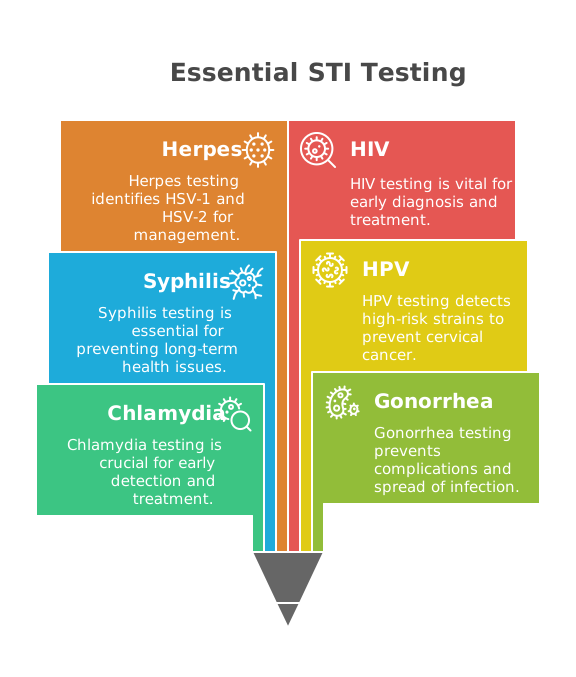
Chlamydia
Gonorrhea
Syphilis
Human Papillomavirus (HPV)
Herpes Simplex Virus (HSV-1 & HSV-2)
Human Immunodeficiency Virus (HIV)
Hepatitis B and C (depending on risk factors)
Essential STI Testing
Tests vary depending on the STI, and may include urine samples, swabs, or blood tests. Many clinics and sexual health centers offer comprehensive panels, sometimes at little to no cost.
🗣️ The Role of Communication
Testing is only one part of the equation—open, honest communication with your partner(s) is just as essential. Talking about sexual health might feel awkward at first, but it builds a foundation of consent, respect, and shared responsibility.
Tips for healthy STI conversations:
Be direct but nonjudgmental: “When was the last time you were tested?”
Share your own testing history to lead by example.
Discuss safer sex practices and boundaries before becoming physically intimate.
Reaffirm that talking about STIs is a form of care—not suspicion.
These conversations can deepen trust, normalize health awareness, and ultimately lead to more satisfying and secure sexual experiences.
Vaccinations for Sexual Health
Vaccines are a powerful and often underappreciated part of sexual health. They offer long-term protection against certain sexually transmitted infections (STIs) that can have serious health consequences if left untreated. Getting vaccinated isn’t just an act of self-care—it also helps protect your current and future partners.
💉 HPV (Human Papillomavirus) Vaccine
The HPV vaccine protects against several strains of the human papillomavirus, including those most commonly linked to genital warts and cervical, anal, throat, and other cancers. It’s most effective when given before a person becomes sexually active, but it’s still beneficial into adulthood.
Brand names include Gardasil 9, which covers nine high-risk HPV types.
Recommended for all people of all genders, typically starting at age 11 or 12.
Approved for use up to age 45 in many countries.
By preventing high-risk HPV strains, the vaccine significantly reduces the likelihood of developing related cancers and lesions later in life.
💉 Hepatitis B Vaccine
Hepatitis B is a viral liver infection that can be transmitted through sexual contact, blood, or other bodily fluids. The hepatitis B vaccine offers long-lasting immunity and is part of routine childhood immunization schedules in many countries.
If you didn’t receive it as a child, you can still get vaccinated as an adult.
It’s especially important for sexually active individuals, healthcare workers, and people with multiple partners.
✅ Why Vaccination Matters
Vaccination isn’t always thought of as a sexual health tool, but it’s an effective and proactive way to reduce your risk of serious infections. When combined with regular STI testing, barrier methods, and open communication, it forms part of a well-rounded approach to safe and confident sexuality.
If you’re unsure about your vaccination status, talk to a healthcare provider about getting caught up—it’s a simple step with lasting protection.
Consent and Mutual Respect
At the heart of all safe, healthy, and pleasurable sexual experiences is consent—the mutual agreement to engage in any sexual activity, freely given without pressure, manipulation, or fear. Consent is not just a checkbox; it’s an ongoing, enthusiastic conversation rooted in respect, honesty, and trust.
💬 What Consent Looks Like
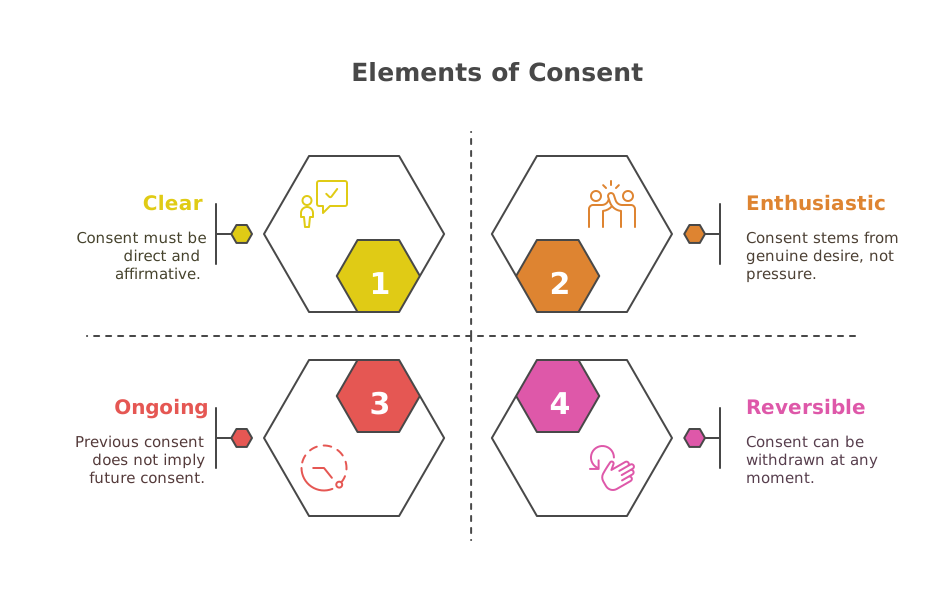
Clear: It should be a direct “yes,” not implied or assumed.
Enthusiastic: Consent should come from genuine desire, not obligation or guilt.
Ongoing: Just because someone consented to something before doesn’t mean they are obligated to continue.
Reversible: Anyone can change their mind at any time, for any reason—and that choice should be respected immediately.
Elements of Consent
🧠 Why Consent Matters in Safe Sex
Consent ensures that everyone involved feels safe, empowered, and heard. It sets the stage for honest communication about:
Comfort levels
STI status
Protection methods
Birth control preferences
Emotional needs and expectations
This dialogue helps partners establish boundaries, avoid misunderstandings, and create a shared space for mutual pleasure and trust.
🗣️ How to Practice It
Ask open-ended questions like: “Are you comfortable with this?” or “Do you want to keep going?”
Check in during intimate moments, especially if something new is introduced.
Be receptive—listen actively to verbal and nonverbal cues.
Respect all boundaries without question or complaint.
Mutual respect means not only listening, but also honoring what’s said. Everyone has the right to express their needs, limits, and desires without fear of judgment or rejection.
Remember: Consent is sexy, kind, and necessary. When practiced openly and consistently, it deepens connection, enhances trust, and creates a space where true intimacy can thrive
Substance Use and Sexual Safety
Substances like alcohol and drugs can significantly affect how we experience and navigate sexual situations. While some people use substances to relax or enhance pleasure, it’s important to recognize that they can also impair judgment, lower inhibitions, and complicate the ability to give or receive clear, informed consent.
⚠️ Understanding the Risks
Alcohol and drugs can delay reaction time, blur boundaries, and make it harder to assess or communicate consent.
Being intoxicated may lead to risky sexual behavior, such as forgetting to use protection or ignoring personal limits.
In some cases, substance use can create power imbalances, where one person may feel pressured to engage in sex or be unable to freely say “no.”
Key rule: If someone is too intoxicated to clearly communicate or make decisions, they are not able to give valid consent.
✅ Tips for Safer Sex While Using Substances
Plan ahead: If you know you’ll be drinking or partying, bring condoms, lube, or other protection with you. Make agreements with your partner(s) in advance if you’re already in a trusting relationship.
Set clear boundaries before using substances—what you’re comfortable with, and what you’re not.
Check in with yourself and your partner regularly. Consent should still be enthusiastic and ongoing, no matter the setting.
Have a sober buddy or someone you trust to keep you safe in party environments.
Avoid initiating sexual activity with someone who is visibly intoxicated or incoherent.
🚫 No Pressure—Ever
Sex should never happen under pressure, manipulation, or assumption—especially when substances are involved. If someone is intoxicated and can’t express themselves clearly, the safest and most respectful choice is to wait. Mutual enjoyment and consent are worth the patience.
Being mindful about substance use is part of being a caring, responsible, and safe sexual partner. With awareness, communication, and preparation, it’s entirely possible to enjoy intimacy while also protecting everyone’s well-being.
Safe Sex for All Genders and Orientations
Safe sex is for everyone—regardless of gender identity, sexual orientation, or the type of sex they have. Too often, safe sex education is framed with a narrow, heteronormative lens, but the truth is that STIs can affect anyone, and protection is just as important in same-sex, queer, and gender-diverse relationships.
🌍 Protection Is Universal
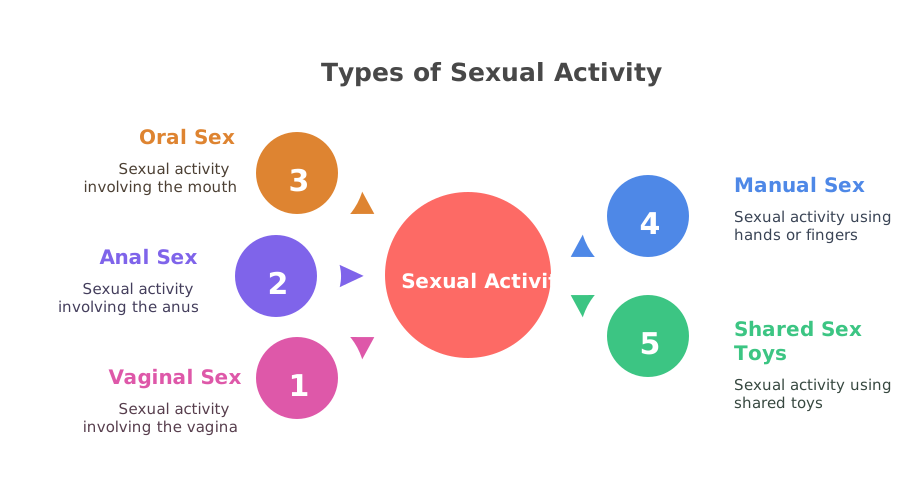
Safe sex practices apply to all sexual activities, including:
Vaginal sex
Anal sex
Oral sex
Manual sex (using hands or fingers)
Use of shared sex toys
Types of Sexual Activity
Each activity carries its own level of risk for STI transmission, which is why using appropriate barrier methods (like condoms, dental dams, and gloves), along with regular testing and open communication, is essential for everyone.
🏳️🌈 Queer and Same-Sex Partners Matter Too
There’s a harmful myth that STIs are less of a concern in queer or same-sex relationships, particularly among women who have sex with women or nonbinary individuals. But infections like HPV, herpes, chlamydia, and bacterial vaginosis can all be transmitted through skin-to-skin contact, fluids, and shared toys.
Everyone—regardless of who they’re with—deserves access to accurate, affirming information and safe sex tools. Queer and gender-diverse people often face unique healthcare barriers, which makes inclusive, judgment-free resources even more important.
🤝 Inclusivity and Awareness
Don’t assume someone’s risk level based on gender, identity, or appearance.
Use gender-inclusive language in sexual health conversations and respect how others describe their bodies.
Choose sex ed resources that reflect diverse relationships and bodies, not just cisgender, heterosexual norms.
Advocate for care providers who are LGBTQ+ affirming and trauma-informed.
Safe sex should never be one-size-fits-all. It’s about tailoring protection, conversation, and care to each unique individual and partnership. No matter who you are or how you have sex, you deserve safety, pleasure, and the power to protect your health.
Using Protection with Sex Toys
Sex toys can add fun, variety, and deeper pleasure to intimate experiences—but like any other aspect of sexual activity, they should be used with care and hygiene in mind. Using protection with sex toys is essential for reducing the risk of infections and maintaining safe, respectful play—especially when toys are shared between partners or used for both anal and vaginal stimulation.
🎯 Why Protection Matters with Toys
Toys can carry bacteria or viruses if not properly cleaned between uses.
Sharing toys without protection or disinfection can lead to the transmission of STIs, including herpes, HPV, and bacterial infections.
Anal bacteria can be transferred to the vagina if toys are used in both areas without cleaning, increasing the risk of infections like UTIs or BV.
✅ Protection Tips for Toy Use
Use condoms on sex toys—this adds a layer of protection and makes cleanup easier. Change the condom between partners or when switching body parts (e.g., from anal to vaginal use).
Clean toys thoroughly with warm water and mild soap or a sex toy cleaner. Make sure the toy is completely dry before storing.
Choose non-porous materials like silicone, glass, or stainless steel when possible, as they’re easier to sanitize than porous toys (like jelly rubber or TPR).
Disinfect when needed—boil non-electronic silicone or metal toys or follow the manufacturer’s care instructions.
Use water-based lube with toys unless they’re compatible with silicone or oil-based lubricants. Silicone lube can degrade silicone toys over time.
🚫 Avoid These Common Mistakes:
Don’t share toys between partners without cleaning or barrier protection.
Don’t switch from anal to vaginal use without washing or using a new condom.
Don’t assume “solo use” means no need for cleaning—bacteria can still grow on surfaces.
By integrating protection into toy play, you’re ensuring not just fun—but also safety, hygiene, and respect for yourself and your partners. Responsible toy use is a key part of comprehensive sexual wellness.
Myths and Misunderstandings About Safe Sex
Misinformation around safe sex is widespread—and can lead to risky decisions, unintentional exposure, and unnecessary shame. Separating fact from fiction is crucial for making informed, empowered choices about your body and your relationships. Let’s break down a few of the most common myths and why they’re simply not true.
❌ “You can’t get an STI from oral sex.”
False. While the risk may be lower than with vaginal or anal sex, oral sex can still transmit infections like herpes, HPV, gonorrhea, syphilis, and even HIV. Using condoms for oral on a penis or dental dams for oral on a vulva or anus helps reduce that risk.
❌ “Two ‘clean’ partners don’t need protection.”
False. First, let’s stop using the word “clean”—it reinforces stigma. Anyone can carry an STI without showing symptoms, and even if you’ve both been tested, results represent a snapshot in time, not lifelong immunity. Ongoing protection and communication are still important, especially in non-monogamous or new relationships.
❌ “You can’t get pregnant the first time.”
False. Pregnancy is possible any time there’s unprotected vaginal sex—even the first time, even if it’s brief, and even if withdrawal is attempted. Sperm can be present in pre-ejaculate fluid, and it only takes one sperm to fertilize an egg.
Other Common Myths to Watch Out For:
“You don’t need protection in same-sex relationships.” Wrong—STIs can still spread through skin-to-skin contact, fluids, and shared toys.
“If there are no symptoms, there’s nothing to worry about.” Not true—many STIs are asymptomatic but still transmissible and potentially harmful if untreated.
“Using two condoms is double protection.” Actually, it increases friction, which makes them more likely to break. One condom is enough when used correctly.
Knowledge is protection. Debunking these myths helps us build a culture of care, responsibility, and shame-free sexuality. Stay curious, ask questions, and prioritize both pleasure and safety.
Conclusion
Safe sex isn’t just about avoiding risks—it’s about creating a foundation of trust, communication, pleasure, and respect. It empowers individuals and partners to take control of their sexual health while deepening intimacy, comfort, and mutual care.
From barrier methods and STI testing to consent, vaccines, and inclusive practices, the tools for safe sex are as diverse as the people who use them. Whether you’re exploring your sexuality, in a long-term relationship, or enjoying casual encounters, you deserve the knowledge and resources to protect your body without sacrificing pleasure.
With the right combination of awareness, preparation, and honest conversation, safe sex becomes something to celebrate—not fear. It’s a reflection of self-love, personal responsibility, and connection that honors both your health and your desires.
Because of the best sex? It’s not just hot—it’s safe, consensual, and empowering.