The Foundation of Male Fertility and Sexual Health
The male reproductive system plays a critical role in sexual function, fertility, and overall health. It consists of a complex network of organs, glands, and hormones working together to produce, nourish, and transport sperm, as well as facilitate sexual pleasure and reproduction.
Understanding the male reproductive system is essential not just for fertility, but also for recognizing how lifestyle, health conditions, or aging can impact sexual and reproductive health. Greater awareness helps in early detection of issues, supports better health decisions, and empowers men to maintain optimal function throughout life.
Whether you’re aiming to boost fertility, protect your long-term health, or simply understand your body better, learning about the male reproductive system is a powerful first step.
Primary Organs of the Male Reproductive System
The Core Structures Behind Fertility and Hormone Production
The male reproductive system is powered by a few primary organs that are essential for sperm production, hormone balance, and successful reproduction. Understanding the role of each organ is key to grasping how the system functions as a whole.
Testes (Testicles)
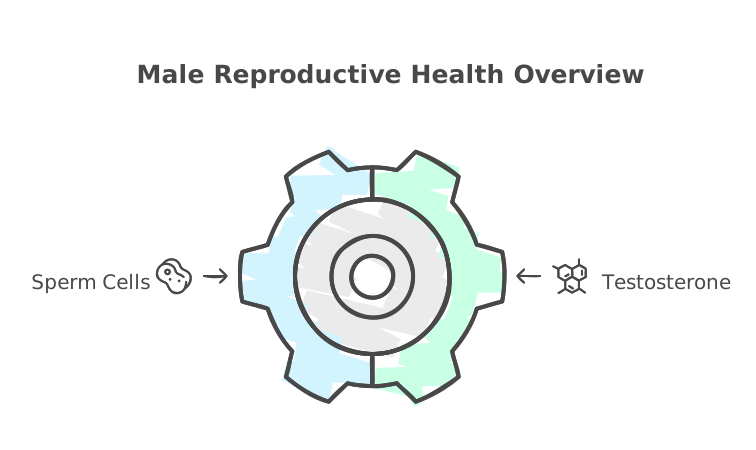
The testes are the foundation of the male reproductive process. These oval-shaped organs are responsible for producing two crucial components:
Sperm cells, necessary for fertilization and reproduction.
Testosterone, the main male sex hormone that drives libido, muscle development, and secondary sexual characteristics like facial hair and voice depth.
The health of the testes directly impacts both fertility and overall hormonal health, making them central to the function of the male reproductive system.
Scrotum
The scrotum is the loose pouch of skin that houses the testes. One of its primary roles is temperature regulation—sperm production requires a temperature slightly lower than the body’s core temperature. The scrotum contracts and relaxes to bring the testes closer to or further from the body, helping maintain an ideal environment for healthy sperm development.
Without proper temperature control, sperm quality can suffer, highlighting the scrotum’s vital role within the male reproductive system.
Sperm Production and Maturation
How the Male Reproductive System Creates Life
One of the most essential functions of the male reproductive system is the production and maturation of sperm. This complex process ensures that sperm are healthy, mobile, and capable of fertilizing an egg, making it critical for fertility.
The Process of Spermatogenesis
Spermatogenesis is the scientific term for sperm production. This process takes place within the seminiferous tubules of the testes. Here, primitive germ cells undergo a series of divisions and transformations over approximately 64 to 72 days, eventually becoming mature sperm cells.
During spermatogenesis, testosterone plays a vital role by stimulating the growth and development of these sperm cells. Proper hormonal balance and a healthy environment within the testes are crucial for successful sperm production, underscoring the importance of overall male reproductive system health.
The Role of the Epididymis
Once sperm are created, they aren’t immediately ready to fertilize an egg. Instead, they travel to the epididymis, a coiled tube located behind each testicle. In the epididymis, sperm are stored and continue to mature—gaining motility (the ability to swim) and the capacity to fertilize an egg. This maturation process can take several weeks, ensuring that sperm are fully functional when ejaculation occurs.
The journey through the epididymis is a vital step within the male reproductive system, ensuring that sperm are prepared for successful reproduction.
Male Reproductive Ducts and Their Functions
The Highways of the Male Reproductive System
The male reproductive system relies on a network of ducts to transport sperm from the testes to the outside world. Each duct plays a specialized role in ensuring that sperm are delivered efficiently and safely during ejaculation.
Vas Deferens
The vas deferens is a long, muscular tube that transports mature sperm from the epididymis toward the ejaculatory ducts. It acts like a highway, allowing sperm to move swiftly and securely during ejaculation. The smooth muscle walls of the vas deferens contract to push sperm forward, a critical step in the functioning of the male reproductive system.
Ejaculatory Ducts
The ejaculatory ducts serve as the connection point between the vas deferens and the urethra. Here, sperm mix with fluids from the seminal vesicles to form semen. These ducts are responsible for channeling this newly formed semen into the urethra during orgasm, making them a vital link in the male reproductive system’s reproductive pathway.
Urethra
The urethra has a dual purpose: it transports both urine and semen through the penis to the outside of the body. During sexual arousal and ejaculation, the body automatically closes off the connection to the bladder, ensuring that only semen passes through. This clever design highlights the efficiency and multifunctionality of the male reproductive system.
Accessory Glands and Their Secretions
The Supporting Cast of the Male Reproductive System
Beyond the primary organs and ducts, the male reproductive system depends heavily on several accessory glands. These glands produce fluids that nourish, protect, and transport sperm, ensuring successful fertilization.
Seminal Vesicles
The seminal vesicles are a pair of glands located behind the bladder. They produce a significant portion of the seminal fluid—about 60% of semen volume. This fluid is rich in sugars like fructose, which provide essential nutrients to sperm, giving them the energy they need to swim and survive. Without the contribution of the seminal vesicles, the male reproductive system would struggle to support sperm vitality.
Prostate Gland
The prostate gland sits just below the bladder and surrounds the urethra. It secretes a thin, milky fluid that helps nourish and protect sperm once they are inside the female reproductive tract. This prostatic fluid contains enzymes, zinc, and other substances that enhance sperm motility and longevity—critical factors in the overall efficiency of the male reproductive system.
Bulbourethral (Cowper’s) Glands
Also known as Cowper’s glands, these small structures are located beneath the prostate. They produce a clear, slippery fluid that is released prior to ejaculation. This secretion serves two vital purposes: it lubricates the urethra for sperm passage and neutralizes acidity from residual urine, creating a safer environment for sperm. Even though they are small, the Cowper’s glands play a crucial protective role within the male reproductive system.
The External Organ of the Male Reproductive System
The penis plays a central role in the male reproductive system, acting as both the organ for sexual intercourse and the final pathway for sperm delivery. Its unique structure is designed to support reproduction and pleasure simultaneously.
Role in Sexual Intercourse and Sperm Delivery
During sexual arousal, the penis becomes erect through increased blood flow, enabling penetration during intercourse. Upon ejaculation, semen—which carries sperm—travels through the urethra and exits the body via the penis, completing its journey through the male reproductive system.
Without proper function of the penis, the transport of sperm would be impaired, directly impacting fertility.
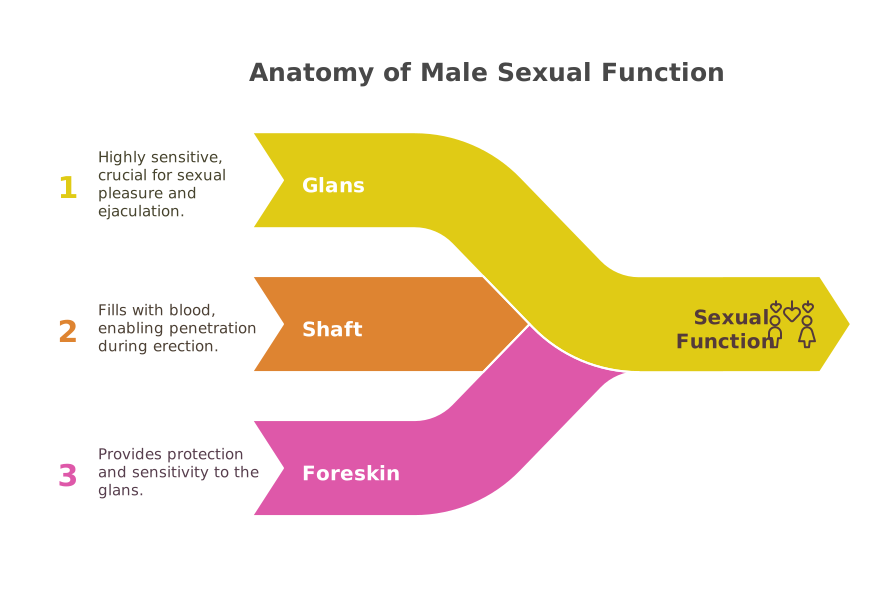
Glans: Often referred to as the head of the penis, the glans is highly sensitive and plays a key role in sexual pleasure. It also serves as the exit point for semen during ejaculation.
Shaft: The shaft is the elongated, cylindrical part of the penis that fills with blood during an erection, allowing for penetration.
Foreskin: Covering the glans in uncircumcised males, the foreskin provides protection and sensitivity. Some men choose circumcision for religious, cultural, or medical reasons.
Each part of the penis works together to support the complex processes involved in both sexual pleasure and the reproductive function of the male reproductive system.
Hormonal Regulation in the Male Reproductive System
The Chemical Control Center of Male Fertility
Hormones are the driving force behind the male reproductive system, regulating everything from sexual development and libido to sperm production. Without proper hormonal balance, the entire system’s functionality can be compromised.
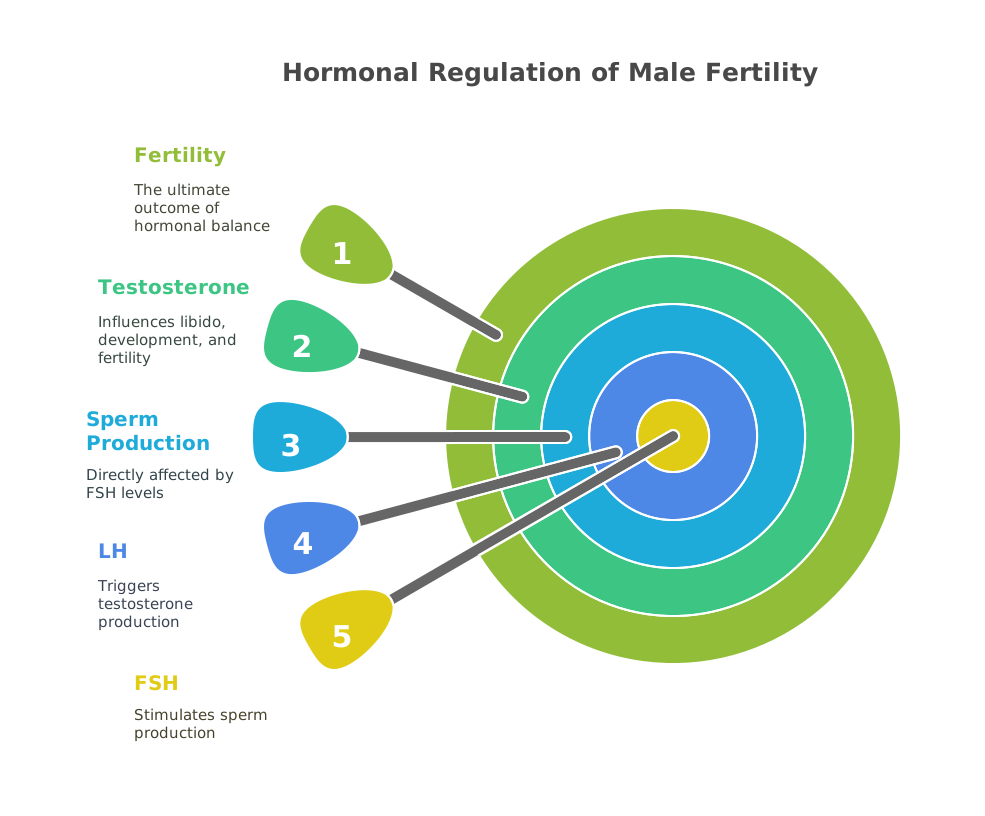
Testosterone is the primary male sex hormone and plays a crucial role in the development and maintenance of the male reproductive system. Produced mainly in the testes, testosterone influences:
The development of male sexual characteristics during puberty includes deeper voice, facial hair, and muscle growth.
Libido (sexual desire) and overall sexual function.
Stimulation of spermatogenesis (sperm production) within the testes.
Optimal testosterone levels are essential for maintaining fertility and healthy sexual performance.
Function of FSH and LH
Two other important hormones, controlled by the pituitary gland, are vital to the male reproductive system:
FSH (Follicle-Stimulating Hormone): This hormone stimulates the seminiferous tubules in the testes to produce sperm. Without adequate FSH, sperm production can become impaired.
LH (Luteinizing Hormone): LH triggers the Leydig cells in the testes to produce testosterone. Without LH, testosterone levels would plummet, affecting libido, physical development, and fertility.
Together, FSH and LH create a delicate hormonal balance that keeps the male reproductive system functioning efficiently throughout life.
Erection and Ejaculation Process
How the Male Reproductive System Responds to Arousal
Two essential functions of the male reproductive system—erection and ejaculation—work together to enable successful sexual intercourse and the delivery of sperm. These complex processes involve both physical and neurological responses that must happen in perfect coordination.
How Arousal Triggers Increased Blood Flow
Sexual arousal activates the nervous system, causing the arteries in the penis to relax and expand. This allows increased blood flow into the spongy tissues of the shaft, resulting in an erection. At the same time, the veins that usually drain blood away are compressed, helping maintain the erection long enough for penetration and ejaculation.
A strong, healthy erection is a vital part of the male reproductive system and plays a direct role in fertility and sexual pleasure.
Emission Phase: During this phase, sperm moves from the epididymis through the vas deferens, mixing with seminal fluids from the prostate gland and seminal vesicles to form semen. This mixture is stored momentarily at the base of the urethra.
Expulsion Phase: Strong muscular contractions propel the semen out through the urethra and out of the body via the penis. This expulsion is the final step in delivering sperm outside the body as part of the reproductive process.
Both erection and ejaculation are critical to the proper functioning of the male reproductive system, ensuring that sperm are effectively transported for the possibility of fertilization.
Common Male Reproductive Health Issues
Challenges That Affect the Male Reproductive System
While the male reproductive system is designed for efficiency and resilience, it can encounter several health challenges that impact sexual function, fertility, and overall well-being. Recognizing these common issues early can lead to more effective treatment and better long-term outcomes.
Erectile Dysfunction (ED)
Erectile dysfunction refers to the consistent inability to achieve or maintain an erection firm enough for sexual intercourse. This condition can stem from a variety of causes, including poor blood circulation, hormonal imbalances, stress, anxiety, or underlying medical conditions like diabetes. Since erections are a crucial function of the male reproductive system, ED can significantly affect sexual health and quality of life.
Low Sperm Count and Infertility
Low sperm count—medically known as oligospermia—is another common reproductive concern. It can result from genetic factors, hormonal issues, lifestyle habits, or exposure to toxins. A low sperm count can reduce the chances of fertilization and contribute to male infertility, which accounts for roughly half of all infertility cases. Maintaining a healthy male reproductive system is vital for preserving fertility.
Prostate Enlargement
Benign Prostatic Hyperplasia (BPH), or an enlarged prostate, commonly affects older men. Although non-cancerous, BPH can interfere with urination and ejaculation by putting pressure on the urethra. Since the prostate gland plays a major role in semen production, its health is crucial to the overall function of the male reproductive system.
Testicular Disorders
Conditions such as testicular torsion, varicocele, and testicular cancer can threaten the integrity of the testes, impacting sperm production and hormone regulation. Regular self-examinations and early detection are key to preventing long-term damage to the male reproductive system.
Maintaining a Healthy Male Reproductive System
Proactive Steps for Lifelong Reproductive Health
Caring for the male reproductive system is essential for preserving fertility, sexual performance, and overall well-being. Just like any other part of the body, regular attention, healthy habits, and early detection of potential issues can make a huge difference over time.
The Importance of Regular Check-Ups and Self-Exams
Routine medical check-ups are vital for catching any problems within the male reproductive system early—especially concerns like prostate enlargement, low testosterone, or testicular abnormalities. Self-examinations, particularly of the testicles, can help detect warning signs of conditions like testicular cancer or varicoceles before they become serious. A proactive approach empowers you to take control of your reproductive health.
Diet, Exercise, and Lifestyle Tips for Optimal Function
Maintaining a balanced diet rich in antioxidants, healthy fats, vitamins, and minerals is crucial for supporting sperm health and hormonal balance. Foods like leafy greens, nuts, berries, and fatty fish can nourish the male reproductive system naturally.
Regular exercise improves blood circulation, boosts testosterone levels, and helps manage body weight—all important for reproductive function. Additionally, minimizing alcohol intake, avoiding tobacco and recreational drugs, managing stress, and getting adequate sleep are all powerful ways to keep the male reproductive system performing at its best.
Investing in your reproductive health today leads to a stronger, healthier future—both in terms of fertility and overall vitality.
Conclusion: The Importance of Understanding the Male Reproductive System
The male reproductive system is a complex, finely tuned network of organs, ducts, glands, and hormones—all working together to support fertility, sexual health, and overall well-being. From sperm production to ejaculation, every part plays a critical role in maintaining reproductive function and vitality.
Understanding how the male reproductive system works—and recognizing the factors that can influence its health—is key to maintaining both sexual performance and long-term fertility. Awareness of common issues, the importance of lifestyle habits, and the value of regular health check-ups empowers men to take proactive steps toward better reproductive health.
Prioritizing the care of your male reproductive system isn’t just about addressing problems when they arise; it’s about building a foundation for confidence, vitality, and lasting wellness. Knowledge is power—and with the right information, maintaining reproductive health becomes an achievable, lifelong commitment.