Your subscription could not be saved. Please try again.
Your subscription has been successful.
Libido Meaning: The Powerful Truth About Sexual Desire Explained
The term libido is often used in conversations about relationships, health, and intimacy—but what exactly is the libido meaning? Understanding libido is important because it plays a key role in sexual desire, emotional connection, and overall well-being.
Whether you feel your libido is high, low, or constantly changing, this guide will help you understand what libido really means, what affects it, and how to manage it in a healthy way.
The libido meaning refers to a person’s overall level of sexual desire or interest in sexual activity. It is a natural part of human biology and varies widely from person to person.
Some individuals experience strong sexual desire, while others may feel less interest. Both are completely normal.
Libido Is Not Fixed
One important aspect of libido meaning is that it is not constant. Libido can change over time due to physical, emotional, and lifestyle factors.
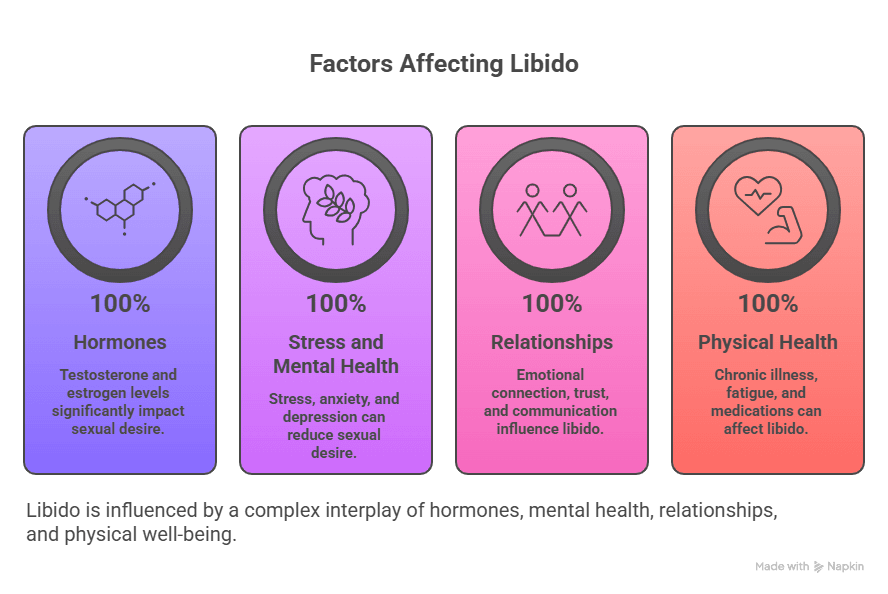
Hormones such as testosterone and estrogen play a major role in sexual desire. Changes in hormone levels can increase or decrease libido.
Stress and Mental Health
Stress, anxiety, and depression can significantly reduce sexual desire. Mental well-being is closely connected to libido.
Relationships
Emotional connection, trust, and communication with a partner can influence libido. A healthy relationship often supports a healthy sex drive.
Physical Health
Chronic illness, fatigue, and certain medications can affect libido levels.
High Libido vs. Low Libido
High Libido
A high libido means a strong interest in sexual activity. This is normal for some people and can vary depending on age, health, and personal preferences.
Low Libido
Low libido refers to reduced interest in sex. It can be temporary or long-term and may be influenced by stress, hormonal changes, or relationship issues.
What Is “Normal”?
There is no universal standard for libido. What matters is whether your level of desire feels comfortable and satisfying for you.
Factors Affecting Libido
Libido Meaning in Relationships
Differences Between Partners
It is common for partners to have different levels of libido. Understanding libido meaning helps couples navigate these differences without conflict.
Communication Is Key
Talking openly about needs and expectations can help maintain a healthy balance and prevent misunderstandings.
How to Improve Libido Naturally
Reduce Stress
Managing stress through exercise, meditation, or relaxation techniques can improve sexual desire.
Improve Lifestyle Habits
Healthy eating, regular exercise, and good sleep can positively impact libido.
Strengthen Emotional Connection
Spending quality time with a partner and building intimacy outside the bedroom can enhance desire.
Limit Alcohol and Smoking
Excessive alcohol and smoking can negatively affect libido and overall sexual health.
When to Be Concerned About Libido
Sudden Changes
If your libido changes suddenly without a clear reason, it may be worth exploring further.
Impact on Daily Life
If low or high libido is causing stress, relationship issues, or emotional discomfort, seeking advice can be helpful.
Consulting a Professional
A healthcare provider or therapist can help identify underlying causes and recommend appropriate solutions.
Common Myths About Libido
“High Libido Is Always Better”
Having a high libido is not inherently better than having a low libido. Balance and personal comfort are what matter most.
“Low Libido Means Something Is Wrong”
Low libido is often temporary and can be influenced by everyday factors like stress or fatigue.
“Libido Should Be the Same for Everyone”
Every individual is different. Comparing libido levels to others can create unnecessary pressure.
Libido Meaning Across Life Stages
Libido Meaning Across Life Stages
Young Adulthood
Libido is often higher due to hormonal activity and energy levels.
Midlife
Changes in hormones, lifestyle, and responsibilities can affect libido.
Later Life
Libido may decrease, but emotional intimacy and connection can remain strong.
Final Thoughts
The libido meaning goes beyond just sexual desire—it reflects a combination of physical health, emotional well-being, and relationship dynamics. Understanding your own libido can help you make better decisions about your health and relationships.
Rather than trying to meet a certain standard, focus on what feels right for you. A healthy libido is one that aligns with your comfort, lifestyle, and personal happiness.