Your subscription could not be saved. Please try again.
Your subscription has been successful.
Everything You Need to Know About STDs: Prevention, Symptoms, and Treatment
Sexually transmitted diseases (STDs) are a significant public health concern that affect millions of people worldwide each year. Despite their widespread prevalence, misinformation and stigma often prevent individuals from seeking timely medical care. Understanding what STDs are, their symptoms, and prevention methods is crucial for maintaining sexual health and reducing transmission rates.
Sexually transmitted diseases (STDs)—also referred to as sexually transmitted infections (STIs)—are infections primarily spread through sexual contact, including vaginal, anal, and oral sex. In some cases, STDs can also be transmitted through non-sexual means, such as blood transfusions, shared needles, or from mother to child during childbirth.
There are over 30 different bacteria, viruses, and parasites responsible for STDs, affecting millions of people worldwide. Understanding the types of STDs helps individuals take preventative measures and seek appropriate medical care.
Types of STDs
Bacterial STDs
These STDs are caused by bacteria and are often treatable with antibiotics:
Chlamydia – A common infection that may cause painful urination, discharge, or no symptoms at all.
Gonorrhea – Can affect the genitals, throat, or rectum, leading to pain, discharge, and complications if untreated.
Syphilis – Progresses through stages, starting with sores (chancres) and potentially leading to serious organ damage if left untreated.
Viral STDs
These infections are caused by viruses, which often require long-term management rather than a cure:
HIV/AIDS – Attacks the immune system, increasing susceptibility to infections.
Herpes (HSV-1 & HSV-2) – Causes blisters or sores around the mouth or genitals, with recurring outbreaks.
Human Papillomavirus (HPV) – Some strains cause genital warts, while others are linked to cervical and other cancers.
Hepatitis B – Affects the liver, potentially leading to cirrhosis or liver cancer.
Parasitic STDs
These infections are caused by parasites and are typically curable with medication:
Trichomoniasis – Causes itching, discharge, and painful urination.
Pubic Lice (“Crabs”) – Tiny parasites that infest pubic hair, leading to itching and irritation
Common Symptoms of STDs
Sexually transmitted diseases (STDs) can cause a variety of symptoms, but in many cases, individuals may not experience any signs at all. This asymptomatic nature makes regular testing essential for early detection and prevention of complications.
When symptoms do appear, they often vary depending on the type of STD and the area of infection. Below are some common warning signs to look out for:
General Symptoms of STDs
Pain or burning during urination – A common symptom in bacterial infections like chlamydia, gonorrhea, and trichomoniasis.
Unusual discharge from the penis or vagina – Thick, yellow, green, or foul-smelling discharge may indicate an infection.
Genital sores, blisters, or ulcers – Often associated with herpes (HSV) or syphilis.
Itching or irritation around the genitals – Can be a sign of trichomoniasis, pubic lice, or a fungal infection.
Pain during intercourse– Could be linked to chlamydia, gonorrhea, trichomoniasis, or vaginal infections caused by STDs.
Swelling or pain in the testicles – May occur with untreated gonorrhea or chlamydia, leading to potential fertility complications.
When to Seek Medical Attention
Since many STDs do not cause immediate symptoms, it’s crucial to: ✅ Get tested regularly if you’re sexually active. ✅ Seek medical attention if you notice any unusual symptoms. ✅ Avoid sexual contact until you receive clear test results and, if needed, complete treatment.
Early detection and treatment can prevent long-term health issues and protect partners from infection.
STD-Specific Symptoms
Different sexually transmitted diseases (STDs) present with distinct symptoms, though many may remain asymptomatic for long periods. Recognizing specific warning signs can help with early detection, treatment, and prevention of complications.
If you experience any of these symptoms, consult a healthcare professional immediately.
Common STD Symptoms by Infection Type
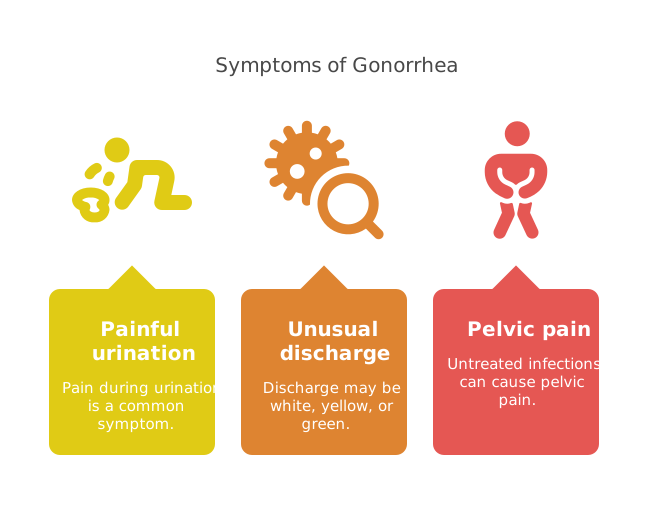
Chlamydia & Gonorrhea
🦠 Often asymptomatic, but when symptoms appear, they may include:
Painful urination
Unusual discharge (white, yellow, or green)
Pelvic pain or testicular swelling (if left untreated)
Why it matters: Undiagnosed infections can lead to pelvic inflammatory disease (PID) in women and infertility in both men and women.
Syphilis
🦠 Symptoms vary by stage and include:
Primary stage: Painless sores (chancres) on the genitals, mouth, or anus.
Tertiary stage (if untreated): Severe organ damage to the brain, heart, and nerves.
Why it matters: If left untreated, syphilis can become life-threatening in its later stages.
Herpes (HSV-1 & HSV-2)
🦠 Caused by the herpes simplex virus, symptoms include:
Painful blisters or ulcers around the mouth (cold sores) or genitals
Itching, burning, or tingling before an outbreak
Recurring episodes, though frequency may decrease over time
Why it matters: While herpes has no cure, antiviral medications help manage outbreaks and reduce transmission risks.
Human Papillomavirus (HPV)
🦠 Different strains of HPV cause different symptoms:
Low-risk strains: Genital warts (small, cauliflower-like bumps) on the genitals, anus, or throat.
High-risk strains: May cause cervical, anal, throat, and penile cancers.
Why it matters: HPV vaccines help prevent high-risk strains linked to cancer and genital warts.
HIV (Human Immunodeficiency Virus)
🦠 Early symptoms (within 2-4 weeks after exposure) resemble the flu:
Fever, sore throat, swollen lymph nodes, body aches
Night sweats and fatigue
Unexplained weight loss in later stages
If untreated, HIV progresses to AIDS, weakening the immune system and increasing the risk of severe infections.
Why it matters: Early diagnosis and antiviral treatment (ART) can help individuals live healthy lives while preventing transmission.
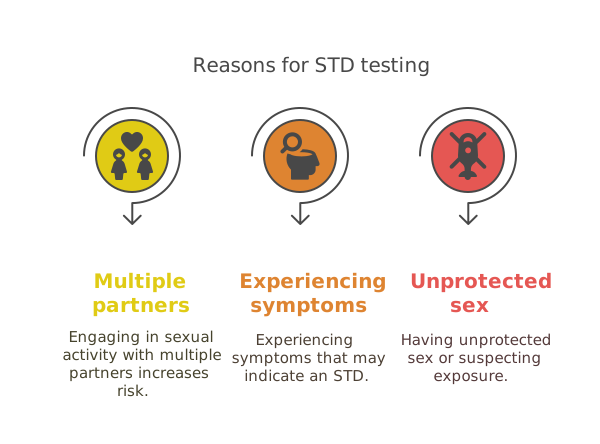
When to Get Tested
✔ If you’re sexually active, especially with multiple partners. ✔ If you experience any of these symptoms. ✔ If you’ve had unprotected sex or suspected exposure to an STD.
Getting tested regularly ensures early treatment and helps protect both you and your partners.
Prevention Strategies
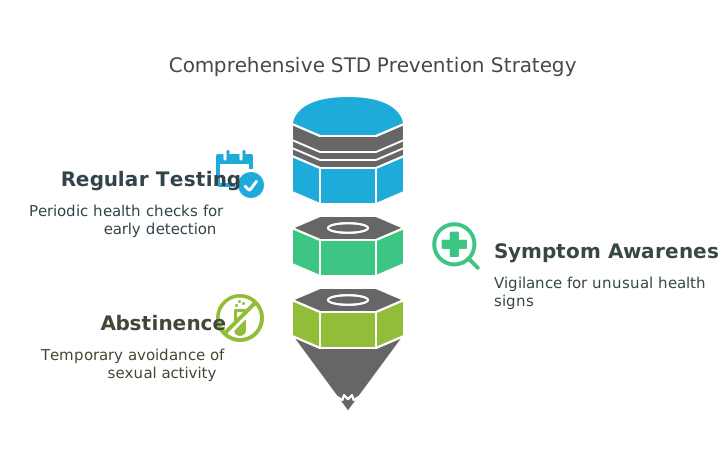
Preventing sexually transmitted diseases (STDs) is easier than treating them, and taking proactive measures can significantly reduce your risk of infection. By practicing safe sex, getting vaccinated, and prioritizing regular screenings, individuals can protect their sexual health and that of their partners.
Using barrier protection during sexual activities is one of the most effective ways to prevent STDs.
✔ Always use condoms or dental dams during vaginal, anal, and oral sex. ✔ Avoid sharing sex toys or clean them thoroughly with soap and water or disinfectant wipes between uses. ✔ Consider lubrication to reduce friction and prevent micro-tears that can increase STD transmission risk.
Practicing safe sex is a simple yet powerful way to reduce the spread of infections.
2. Get Vaccinated
Certain viral STDs can be prevented through vaccination, reducing the risk of long-term complications.
✔ HPV Vaccine: Protects against high-risk HPV strains that cause cervical, anal, and throat cancers, as well as genital warts. ✔ Hepatitis B Vaccine: Prevents infection from hepatitis B, which can lead to liver damage or cancer.
Getting vaccinated adds an extra layer of protection against life-threatening STDs.
3. Regular Testing & Screening
Routine STD screenings ensure early detection and timely treatment, even for asymptomatic infections.
✔ Get tested regularly if you are sexually active, especially if you have multiple partners. ✔ Encourage partners to get tested before engaging in unprotected sex. ✔ Consider testing every 3-6 months if you engage in casual or high-risk sexual activities.
Regular screenings help detect STDs early, preventing long-term health complications.
4. Limit Sexual Partners & Open Communication
Reducing the number of sexual partners and maintaining open, honest discussions about sexual health can lower the risk of STD transmission.
✔ Having fewer partners reduces exposure to infections. ✔ Communicate openly with partners about sexual history, STD testing, and safe practices. ✔ Consider mutual monogamy, where both partners agree to be sexually exclusive.
Transparent conversations create safer and more trusting sexual relationships.
5. Avoid Sharing Needles
STDs like HIV and hepatitis B/C can spread through blood exposure, including needle-sharing.
✔ Never share needles for drug use, tattoos, or piercings. ✔ Use sterile equipment for any medical or cosmetic procedures. ✔ Seek harm reduction services, such as needle exchange programs, if needed.
Avoiding needle-sharing is crucial for preventing bloodborne infections.
Diagnosis & Treatment
Early diagnosis and treatment of sexually transmitted diseases (STDs) are essential for preventing complications and reducing transmission. Many STDs can be effectively treated, while others can be managed with the right medical care.
How Are STDs Diagnosed?
Doctors use a variety of tests and examinations to diagnose STDs, depending on the suspected infection accurately.
✔ Blood or Urine Tests – Used for detecting HIV, syphilis, gonorrhea, and chlamydia. ✔ Physical Examinations – Doctors check for visible symptoms like genital warts, herpes sores, or skin rashes. ✔ Swabs from Affected Areas – Samples from the throat, genitals, or rectum help diagnose infections like chlamydia, gonorrhea, and herpes.
Early diagnosis ensures timely treatment and prevents long-term health issues.
STD Treatments
Treatment options depend on whether the STD is bacterial, viral, or parasitic:
Bacterial STDs
✔ Chlamydia, Gonorrhea, Syphilis – Treatable with antibiotics like azithromycin, doxycycline, or penicillin. ✔ Early treatment prevents complications such as pelvic inflammatory disease (PID), infertility, and organ damage.
Viral STDs
✔ HIV, Herpes, HPV, Hepatitis B – No cure, but antiviral medications help manage symptoms and reduce transmission risks. ✔ Antiretroviral therapy (ART) for HIV helps individuals live healthy, long lives. ✔ HPV vaccines protect against high-risk cancer-causing strains.
Parasitic STDs
✔ Trichomoniasis, Pubic Lice, Scabies – Treated with antiparasitic medications like metronidazole or topical creams. ✔ Proper hygiene and partner treatment are key to preventing reinfection.
Seeking treatment as early as possible helps prevent serious complications and reduces the spread of STDs.
Why Regular STD Testing Matters
Even if you feel healthy, regular STD testing is essential for:
✔ Early Detection – Identifies infections before symptoms appear, preventing long-term health risks. ✔ Protecting Partners – Reduces the risk of unknowingly transmitting infections. ✔ Community Health – Helps reduce STD rates and prevents outbreaks.
How Often Should You Get Tested?
Annually – If you are sexually active with one partner.
Every 3–6 months, If you have multiple partners or engage in high-risk behaviors.
Immediately – If you experience symptoms or have had unprotected sex.
Taking control of your sexual health through regular testing and early treatment ensures a safer and healthier future.
Final Thoughts
STDs are common, but the good news is that they are preventable and treatable. Taking proactive steps—such as practicing safe sex, getting vaccinated, and undergoing regular screenings—can significantly reduce your risk and promote better sexual health.
✔ Use protection (e.g., condoms, dental dams) to prevent transmission. ✔ Get vaccinated for HPV and Hepatitis B to lower infection risks. ✔ Get tested regularly—especially if you have multiple partners or experience symptoms. ✔ Seek medical advice promptly if you notice any unusual symptoms or have had unprotected sex.
By staying informed and making safe, responsible choices, you can protect your own sexual health and that of your partners. Prioritizing awareness, prevention, and early treatment helps create a healthier and more responsible community. 💖🔥📚💪