Your subscription could not be saved. Please try again.
Your subscription has been successful.
Benefits of Regular Sex for Sleep Quality
In our increasingly fast-paced world, achieving deep, restorative sleep has become more elusive than ever. While most people are aware of the importance of sleep for physical and mental health, fewer realize that intimacy—particularly regular sex—can play a significant role in promoting better sleep. Scientific studies and anecdotal evidence alike point to a powerful connection between sexual activity and improved sleep patterns, making it a natural, pleasurable, and effective sleep aid.
This article explores the fascinating link between regular sex and sleep quality, diving into how physical intimacy influences the body’s hormones, reduces stress, and sets the stage for a deeper, more restful slumber. By understanding the biological and psychological mechanisms at play, we can unlock new ways to enhance overall wellness and reclaim the rejuvenating power of quality sleep.
Whether you’re seeking natural methods to combat insomnia or simply looking to optimize your nightly routine, examining the benefits of regular sex for sleep quality offers a fresh and holistic approach to health that goes beyond the bedroom.
The science behind the benefits of regular sex for sleep quality lies largely in the body’s hormonal response to sexual activity. During and after sex, the brain releases a powerful cocktail of hormones that collectively encourage relaxation, reduce stress, and prepare the body for deep, restorative sleep.
Oxytocin – The “Cuddle Hormone” Often referred to as the bonding hormone, oxytocin is released during physical intimacy, especially during orgasm and cuddling. This hormone not only strengthens emotional connections between partners but also has a calming effect on the nervous system. Oxytocin helps lower cortisol levels, which in turn eases anxiety and promotes feelings of contentment—ideal conditions for falling asleep faster and staying asleep longer.
Prolactin – The Sleep-Triggering Hormone Prolactin surges in the body following orgasm and is strongly linked to the sensation of sleepiness. This hormone is believed to play a key role in post-coital drowsiness and can enhance the ability to reach the deeper stages of sleep. With regular sex, the consistent release of prolactin may help train the body into a more reliable and restful sleep rhythm.
Endorphins – Nature’s Stress Relievers Sex also prompts the release of endorphins, the body’s natural feel-good chemicals. These neurotransmitters act as natural painkillers and mood boosters, reducing stress and fostering a sense of overall well-being. Lower stress levels are directly associated with improved sleep quality, making endorphins an essential part of this sleep-enhancing hormonal mix.
Melatonin – Indirect Sleep Support While melatonin—the primary hormone responsible for regulating sleep-wake cycles—is not directly released through sexual activity, its production is supported by the calming effects of oxytocin and the reduction in stress hormones like cortisol. As the body relaxes and stress dissipates, conditions become more favorable for natural melatonin production, paving the way for a healthier sleep pattern.
When viewed together, these hormonal responses explain why regular sex for sleep quality is more than just a myth—it’s a physiological truth. The natural synergy of these chemicals not only enhances intimacy but also serves as a potent, drug-free method for improving the depth and consistency of sleep.
Sex and the Nervous System
One of the lesser-known yet deeply impactful ways regular sex improves sleep quality is through its effect on the autonomic nervous system. This system controls many involuntary bodily functions, including heart rate, digestion, and stress response. It is divided into two main branches: the sympathetic nervous system—responsible for the “fight or flight” stress response—and the parasympathetic nervous system, which governs the “rest and digest” state essential for relaxation and sleep.
Transitioning from Stress to Calm Sexual activity, particularly when it leads to orgasm, naturally shifts the body from a sympathetic (alert and stressed) state to a parasympathetic (calm and restful) state. This transition is critical for high-quality sleep. During sex, physical arousal may initially activate the sympathetic system, but the culmination of the experience—especially when accompanied by emotional intimacy—triggers a powerful parasympathetic response. This helps the body downregulate, letting go of physical and emotional tension.
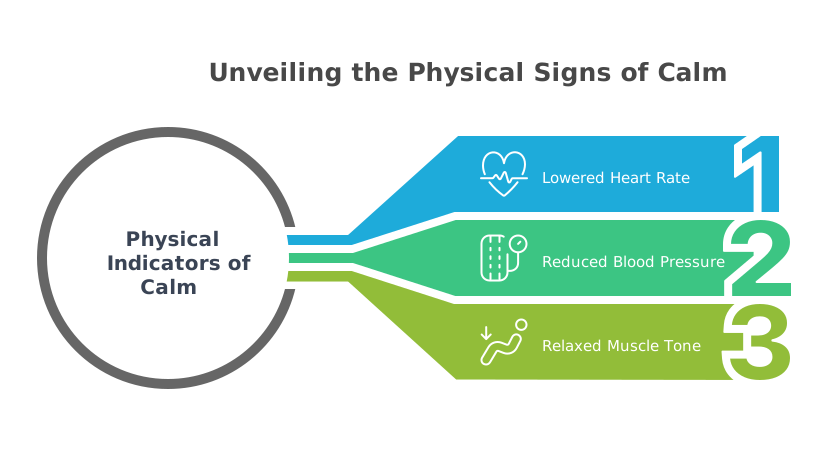
Physical Indicators of Calm After sex, the body undergoes several physiological changes that mirror those seen during restful states. These include:
A lowered heart rate signals the body to slow down.
Reduced blood pressure decreases the workload on the heart.
These changes create the perfect internal environment for initiating sleep and remaining in deeper, more restorative stages of the sleep cycle.
By promoting this nervous system shift, regular sex for sleep quality becomes a natural way to counteract the overstimulation and anxiety that often interfere with rest. Rather than relying solely on external sleep aids, nurturing a healthy sex life offers a holistic, pleasure-based strategy to ease the body into a calm and sleep-ready state.
Sexual Satisfaction and Mental Relaxation
Sleep isn’t just a physical process—it’s also profoundly influenced by our emotional and psychological state. One of the most overlooked benefits of regular sex for sleep quality is its ability to quiet the mind, ease emotional burdens, and create a deep sense of mental tranquility that fosters better rest.
The Power of orgasm and Emotional Release An orgasm isn’t merely a physical climax—it’s also an emotional release. During sexual satisfaction, the brain releases a surge of neurochemicals that ease anxiety and interrupt the loop of overthinking that often keeps people awake at night. For those who struggle with racing thoughts or emotional restlessness before bed, the post-orgasmic state can offer rare and welcome mental stillness. It becomes easier to let go of daily worries and slide into a state of psychological surrender—essential for falling and staying asleep.
Intimacy as Emotional Soothing Beyond the physical act itself, the emotional intimacy that accompanies a satisfying sexual experience plays a vital role in relaxation. Feeling close to a partner and experiencing genuine emotional connection creates a sense of safety, comfort, and belonging. This emotional security reduces psychological arousal—such as feelings of loneliness, anxiety, or fear—that can interfere with deep sleep.
Reducing Emotional Tension Sexual satisfaction provides a direct outlet for emotional tension. It’s an embodied experience that pulls the mind out of rumination and into the present moment. Over time, regular sex can help regulate mood and even build emotional resilience, leading to lower baseline stress levels and improved nighttime calm.
In this way, regular sex for sleep quality isn’t just about hormonal shifts or physical exhaustion—it’s about creating emotional peace. It becomes a form of mental hygiene, a reset for the brain and heart that clears away emotional clutter and makes room for restorative rest.
While partnered intimacy has its own unique advantages, it’s important to recognize that solo sex—masturbation—offers many of the same physiological and psychological benefits when it comes to enhancing sleep. In fact, for individuals without a sexual partner or those simply seeking a moment of personal relaxation, masturbation can serve as an equally powerful tool for improving rest. It contributes to the overall conversation about regular sex for sleep quality by providing an accessible, self-guided approach to bedtime wellness.
Mimicking the Hormonal Benefits of Partnered Sex Masturbation triggers the release of key hormones like oxytocin, prolactin, and endorphins, just as partnered sex does. These neurochemicals collectively reduce stress, promote relaxation, and encourage sleepiness following orgasm. Prolactin in particular is associated with post-orgasm drowsiness, helping the body naturally transition into a sleep-ready state.
A Calming Ritual to Wind Down When practiced mindfully, solo sex can become a calming part of a bedtime routine. Like a warm bath or meditation session, masturbation helps ease physical and mental tension, making it easier to fall asleep quickly and rest deeply. For those who deal with insomnia, stress, or overactive thoughts before bed, regular solo sex may offer a healthy and natural alternative to sleep aids or other interventions.
Promoting Body Awareness and Self-Care Solo sex isn’t just about pleasure—it’s also an act of self-care. It promotes body awareness, confidence, and relaxation in a way that’s deeply personal and empowering. Establishing a regular practice of self-pleasure can contribute to overall emotional balance, which in turn supports consistent sleep hygiene.
Ultimately, whether with a partner or alone, the benefits of regular sex for sleep quality are clear. Masturbation provides an accessible, stigma-free path to achieving the hormonal and psychological states that support restful, rejuvenating sleep—one peaceful night at a time.
Improved Sleep in Men and Women
While the benefits of sex for sleep are universal, the specific effects can vary slightly between men and women due to hormonal differences and how each body responds to sexual activity. Still, across the board, science consistently supports the idea that regular sex improves sleep quality for people of all genders—just in slightly different ways.
Men: The Prolactin Effect and Post-orgasm Sleepiness For men, one of the most immediate and noticeable effects of orgasm is the release of prolactin—a hormone strongly associated with sexual satisfaction and sleep induction. Prolactin levels spike significantly after ejaculation, leading to a sensation of relaxation, physical heaviness, and drowsiness. This hormonal response helps explain why many men fall asleep quickly after sex. In fact, studies have shown that prolactin levels in men after orgasm are up to 400% higher than at baseline, creating a biological signal to wind down and rest.
In the context of regular sex for sleep quality, this repeated hormonal pattern can help men fall asleep more consistently and establish a healthy sleep routine over time.
Women: Reduced Cortisol and Emotional Regulation Women experience a different but equally powerful set of sleep-enhancing responses. During and after sex, cortisol—the body’s primary stress hormone—declines significantly. This reduction in cortisol helps quiet mental chatter, alleviate anxiety, and promote emotional balance, all of which are essential for falling and staying asleep. Additionally, the release of oxytocin and endorphins supports emotional regulation and creates a sense of well-being that carries into the night.
For women, regular sex can be especially helpful in reducing pre-sleep restlessness and in combating the hormonal fluctuations that might otherwise interfere with deep sleep—such as those experienced during menstruation or menopause.
Shared Benefits, Unique Responses While men and women may experience different hormonal peaks, the outcome is remarkably similar: deeper, faster, and more restorative sleep. Whether it’s through prolactin-fueled drowsiness or cortisol-lowering emotional ease, regular sex for sleep quality serves as a natural and inclusive strategy for enhancing nightly rest.
Understanding these gender-specific responses can empower individuals and couples to incorporate sexual wellness into their sleep hygiene in a way that aligns with their unique physiology and emotional needs.
Sex and Insomnia Relief
Insomnia affects millions of people worldwide, leading to frustration, fatigue, and long-term health consequences. While there are countless treatments—ranging from over-the-counter medications to prescription sleep aids—many come with side effects, potential dependency, or diminishing effectiveness over time. In contrast, regular sex for sleep quality offers a natural, side-effect-free alternative that is both pleasurable and profoundly effective.
Supporting Sleep Onset and Duration Scientific research and anecdotal reports have shown that sexual activity can significantly help individuals who struggle with falling asleep or staying asleep. The hormonal cascade that follows orgasm—particularly the increase in prolactin and oxytocin—triggers a state of relaxation that mimics the early stages of sleep. For individuals with insomnia, this natural shift in the body’s chemistry can make it easier to drift off without the need for pharmacological intervention.
Additionally, sex helps reduce levels of cortisol, the stress hormone often elevated in those suffering from insomnia. High cortisol levels can keep the mind racing and the body in a state of alertness, both of which block sleep. Regular sexual activity calms this response, replacing tension with tranquility.
A Natural, Safe Sleep Aid Unlike sleep medications, which may lead to morning grogginess or long-term dependency, sex is a holistic sleep aid that works with the body—not against it. It enhances the natural rhythms of relaxation and rest, offering psychological comfort and physical satisfaction that directly counter the restless energy associated with insomnia.
For individuals or couples seeking non-invasive ways to improve their sleep hygiene, prioritizing regular sex for sleep quality may be one of the most enjoyable and sustainable methods available. Whether as a shared bedtime ritual or a solo self-care practice, sexual activity creates a soothing foundation for deeper, more restorative rest—no prescriptions required.
Morning vs. Nighttime Sex: Sleep Impact
While any sexual activity offers a range of health benefits, the time of day it occurs can influence the specific outcomes—particularly when it comes to sleep. Understanding the difference between morning and evening sex allows individuals to better align their intimate routines with their wellness goals, especially if regular sex for sleep quality is the focus.
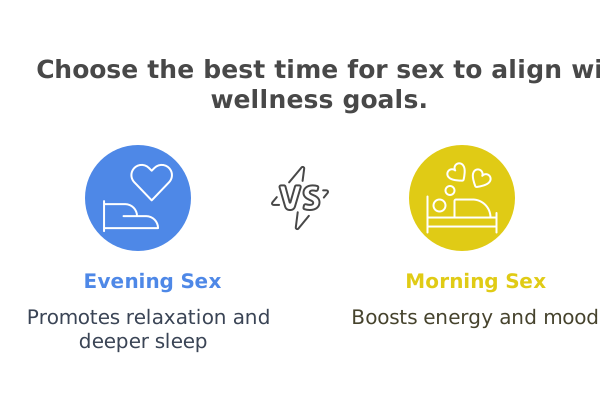
Evening Sex: Designed for Deep Sleep Sex at night—especially close to bedtime—has been shown to directly support faster sleep onset and deeper rest. The hormonal cocktail released after orgasm, including oxytocin, prolactin, and endorphins, triggers physical and mental relaxation. These effects are most beneficial when they coincide with the body’s natural circadian wind-down, helping to usher in sleep more quickly and enhancing its quality.
For individuals who struggle with falling asleep or staying asleep, engaging in sex during the evening can be an intentional and pleasurable way to prepare both body and mind for rest. In this sense, regular sex for sleep quality works best when integrated into the nighttime routine, acting as a natural sedative without the risks or side effects of medication.
Morning Sex: Energizing, Not Sedating Morning sex, while less likely to impact sleep directly, carries its own unique set of benefits. Rather than promoting sleepiness, sexual activity in the early hours tends to boost mood, increase alertness, and stimulate the release of dopamine and testosterone, hormones associated with energy, confidence, and motivation. This makes morning sex a great way to start the day on a positive note, even if it doesn’t contribute to sleep regulation in the same way.
Tailoring Timing to Your Needs Ultimately, both morning and evening intimacy have value, but if the goal is to improve rest, evening sex offers the clearest benefits. Incorporating regular sex for sleep quality into your nighttime rituals can enhance the depth and duration of sleep and improve your relationship with rest overall.
Emotional Intimacy and Sleep Synchronization in Couples
Sleep isn’t just a solitary experience—especially for couples who share a bed night after night. Emotional intimacy and physical closeness play powerful roles in shaping how couples sleep together, and regular sex for sleep quality can be a key factor in improving both individual rest and shared sleep rhythms.
Strengthening Emotional Bonds Sexual intimacy fosters emotional closeness, trust, and bonding—all essential ingredients for a secure and peaceful sleep environment. When couples feel emotionally connected, they’re more likely to feel safe and relaxed in each other’s presence, reducing nighttime stress and anxiety. The release of oxytocin during and after sex deepens this bond, helping partners feel more emotionally attuned to one another.
This sense of security and connection can ease pre-sleep tension, lower heart rate and blood pressure, and create a harmonious emotional climate that supports quality rest. In this context, regular sex becomes more than just a physical act—it’s an emotional bridge to better sleep.
Co-Regulation of Circadian Rhythms One of the more fascinating effects of a close romantic relationship is the phenomenon of circadian rhythm synchronization. Over time, couples who sleep together often experience aligned sleep-wake cycles. Regular physical intimacy, especially sex, contributes to this synchronization by reinforcing shared routines and promoting hormonal alignment.
The calming post-sex state can help both partners transition into sleep together, reducing instances of one person lying awake while the other dozes off. This co-regulation enhances sleep efficiency and helps establish consistent, shared bedtime habits—an important factor in maintaining long-term sleep health in couples.
Physical Touch as a Sleep Cue Cuddling, touching, and simply lying close to a partner after sex also releases oxytocin and lowers cortisol—natural mechanisms that encourage a deeper state of rest. This physical connection becomes a sleep cue over time, signaling the body and mind that it’s safe to let go.
In short, regular sex for sleep quality isn’t just beneficial on an individual level—it’s a powerful bonding tool that helps couples sleep more soundly together. Emotional intimacy and sexual connection go hand in hand, creating a mutual rhythm of rest, recovery, and deeper love.
Tips for Making Sex a Sleep-Boosting Ritual
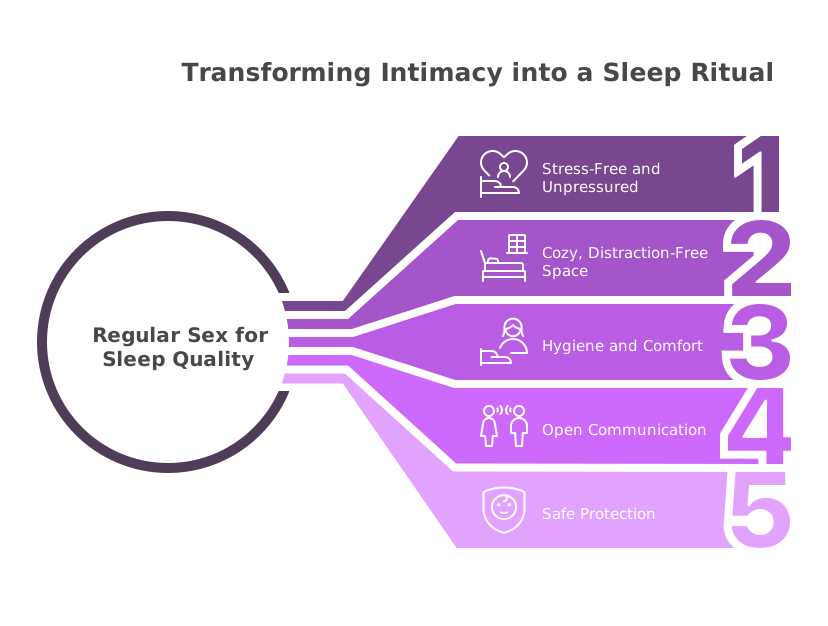
While the biological and emotional benefits of sex are clear, turning intimacy into a consistent, sleep-enhancing practice requires intentionality. Whether you’re with a partner or enjoying solo time, cultivating a calming, pressure-free environment is essential to unlocking the full benefits of regular sex for sleep quality. Here are some practical tips to help make sexual activity a reliable and soothing part of your nightly wind-down routine:
1. Keep It Stress-Free and Unpressured The key to transforming sex into a sleep aid is shifting the focus away from performance and toward connection, relaxation, and pleasure. Let go of rigid expectations or “goals” like orgasm or specific outcomes. Instead, tune into your body, emotions, and each other (if partnered). The more relaxed and authentic the experience, the greater the calming benefits for your nervous system.
2. Create a Cozy, Distraction-Free Space Set the mood for both intimacy and rest by designing a space that invites relaxation. Dim lighting, soft blankets, calming scents (like lavender or chamomile), and a clutter-free bedroom can all contribute to a more sensual and sleep-friendly atmosphere. Turn off devices, silence notifications, and be present—your mind and body will thank you.
3. Make Hygiene and Comfort a Priority Comfort is key when it comes to relaxation. Practicing good hygiene before and after sex not only promotes physical well-being but also adds to the sense of calm and care. Clean bedding, fresh bodies, and mutual respect create a more inviting and safe-feeling space that supports both intimacy and restful sleep.
4. Communicate Openly and Respect Boundaries Open, honest communication is the foundation of any healthy sexual relationship. Talking about desires, comfort levels, and preferences helps foster trust and emotional intimacy, which are both essential for creating a peaceful post-sex experience. For couples, discussing bedtime routines and how to make sex a natural part of them can enhance consistency and comfort.
5. Use Safe Protection When Needed If applicable, using appropriate protection adds an important layer of peace of mind. Reducing anxiety around unplanned outcomes (such as pregnancy or STIs) can help both partners stay present in the moment and fully relax afterward—crucial for reaping the sleep-enhancing effects of sex.
By treating intimacy as a meaningful ritual rather than a rushed or pressured activity, you can make regular sex for sleep quality a reliable, rejuvenating part of your nightly routine. The key is consistency, care, and a willingness to prioritize pleasure and connection over performance.
When to Seek Help
While regular sex for sleep quality can be a powerful and natural aid, it’s important to recognize when deeper issues may be interfering with your ability to rest—regardless of your level of intimacy. If sleep difficulties persist even with a healthy sexual routine, it may be time to explore underlying causes that require professional attention.
Chronic Sleep Problems Despite Regular Intimacy If you’re regularly engaging in sex (solo or partnered) and still experiencing trouble falling asleep, frequent night waking, or poor-quality rest, your sleep disruption may stem from more complex factors. Conditions such as insomnia, sleep apnea, anxiety disorders, or chronic stress may be contributing, and these often require more targeted treatment beyond lifestyle adjustments.
When Sex Itself Is Impacted Sometimes, the root of the issue isn’t sleep alone—it’s sexual health. Low libido, painful intercourse, erectile dysfunction, or an overall lack of desire may signal hormonal imbalances, unresolved emotional stress, medication side effects, or relationship challenges. These issues not only affect sexual satisfaction but can also disrupt the very benefits sex provides for relaxation and sleep.
Relationship and Communication Barriers Emotional disconnection, unresolved conflict, or lack of communication with a partner can create tension that undermines both intimacy and rest. If sex feels like a source of stress rather than comfort, or if emotional distance is keeping you from feeling safe and connected, couples therapy or sex therapy can help rebuild trust and closeness—both of which are essential for the sleep-enhancing benefits of intimacy.
Listen to Your Body and Mind If you notice mood swings, heightened stress, persistent fatigue, or changes in libido alongside sleep struggles, don’t hesitate to reach out to a medical professional. A healthcare provider or licensed therapist can help identify the root causes and recommend a holistic path forward—so that both your sleep and sexual health are supported.
Remember, while regular sex for sleep quality is a powerful tool, it’s just one piece of the overall wellness puzzle. Seeking help isn’t a sign of failure—it’s a proactive step toward deeper healing, better sleep, and a more vibrant, connected life.
Conclusion
In the pursuit of better sleep, many people overlook one of the most natural and accessible solutions available: intimacy. From hormonal regulation and nervous system relaxation to emotional bonding and circadian rhythm alignment, the evidence is clear—regular sex for sleep quality is more than just a feel-good theory. It’s a science-backed, holistic approach to achieving deeper, more restorative rest.
Whether shared with a partner or experienced through solo practices, sex offers a unique blend of physical release and emotional calm that no pill or supplement can fully replicate. By turning intimacy into a mindful ritual, cultivating a stress-free environment, and addressing underlying obstacles when needed, anyone can harness the power of sexual wellness to support better sleep and overall well-being.
Ultimately, good sleep and a healthy sex life are deeply intertwined—and nurturing one often benefits the other. By embracing the role of intimacy in your nightly routine, you’re not just enhancing your rest—you’re investing in your health, your relationships, and your quality of life.